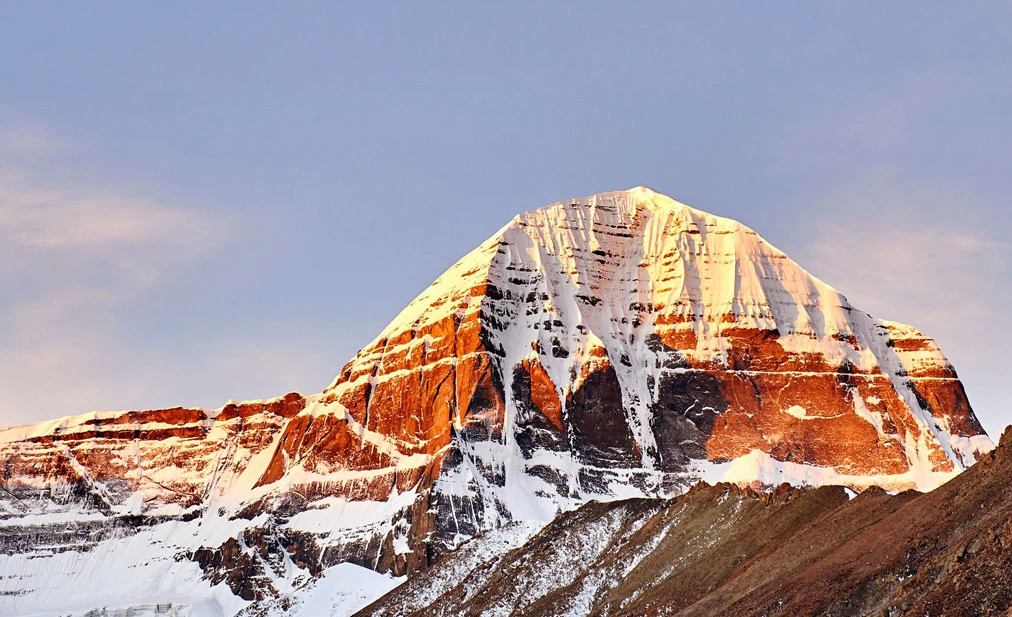
Mount Kailash Mansarovar Tour Via Lhasa 2027

Price Start from $5800 $6500
Why Book with Us?
  • Registered Company
  • More than Decade of Experience
  • Customer Satisfaction is our motto
Trip Facts
  • Group Size16 pax
  • Max Elevation5,630 m
  • GradeModerate
  • TransportationFlight/ Bus
  • AccommodationHotel/ Lodge
  • Cost5800
  • Trip Length12 Days
  • Best MonthMay to September
  • WIFIAvailable
  • Trip ModeNormal
  • MealBreakfast, Lunch and Dinner
  • Trekking StyleHiking
  • Start FromKathmandu
  • End PointKathmandu

Outline Itinerary

Day 01Day 01: Arrival in Kathmandu (1,400m) and Transfer to Hotel

Day 02Local sightseeing in Kathmandu and briefing of yatra

Day 03Fly from Kathamndu to Lhasa (3,656m) and Transfer to Hotel

Day 04Sightseeing and exploration of Lhasa (3,656m)

Day 05Fly from Lhasa to Ali/ Purang (4,500 m) and drive to Mansarovar (4,590 m)

Day 06Drive from Mansarovar to Darchen (4,640m)

Day 07Drive from Darchen to Yamadwar (4,780m) and Holy Trek to Dirapuk (4,900m)

Day 08Holy Trek to Zuthulpuk (4,750m) via Dolma La pass (5,630 m)

Day 09Holy Trek Near Darchen and Drive to Ali/ Purang (4,500 m)

Day 10Fly from Ali/ Purang to Lhasa (3,656 m)

Day 11Fly Back to Kathmandu

Day 12Final departure from Kathmandu

Altitude Map

This Altitude Map shows highest alttitude you will trek to each day.

Package Included
  • All Airport arrival and departure transfers in Kathmandu
  • 03 nights’ accommodation in Kathmandu on Full Board Plan (Breakfast, Lunch and Dinner)-veg meals
  • Sightseeing transfers in Kathmandu via private vehicle
  • Kathmandu- Lhasa- Kathmandu flights.
  • Lhasa-Ali-Lhasa flights
  • Tibet Side Transfers: A/C van for transfers within Tibet
  • Daily Meals: Breakfast, lunch, and dinner (complete veg meals)
  • 03 nights’ accommodation in Lhasa on a sharing basis
  • 01-night accommodation in Mansarovar on a sharing basis
  • 01-night accommodation in Darchen on a sharing basis
  • 01-night accommodation in Diraphuk on a sharing basis
  • 01-night accommodation in Zuthulphuk on a sharing basis
  • 01-night accommodation in Ali on a sharing basis
  • Sleeping Bag: Provided for the duration of the trip.
  • Down Jacket: We will provide a down jacket
  • Duffel bags: We will Provide Duffel bags
  • First-Aid Kit: Equipped with basic first-aid supplies.
  • Support truck for carrying baggage, food, and camping equipment for the pilgrims.
  • Camping arrangements and all meals provided by the Nepalese Sherpa crew on the Tibet side.
  • Nepalese team leader (English-speaking) from Kathmandu and an English-speaking Tibetan guide from the Kirung border to accompany you during the Kailash Manasarovar Yatra.
  • Yak and Yak men to carry one bag per person for the Kailash Parikrama.
  • Entrance fees for all monasteries.
  • Standard Tibet visa for the yatra.
  • Each participant will receive a completion certificate for the Kailash Manasarovar Yatra.
  • Insurance coverage for our Sherpa crew.
Package not Includes
  • Travel and medical insurance.
  • Rescue and evacuation costs in case of an emergency.
  • Insurgent fee (approximately INR 500 per person).
  • Soft/hard drinks, photography charges, porter services at airports/hotels, laundry, tips, phone calls, and other personal expenses.
  • Any other items not listed in the inclusions.

Trip Overview

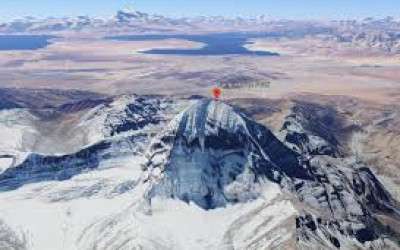
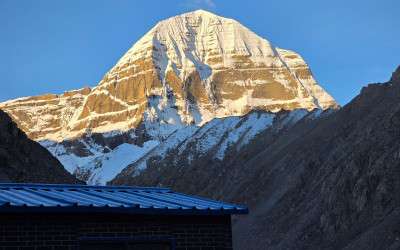
The Mount Kailash-Mansarovar tour via  Lhasa is among the most popular tours for religious and adventurous visitors. This 12-day tour guides you through many picturesque terrains in the Himalayas. At the tour's high point, you are taken to Mount Kailash, the holy mountain at 6,638m, and Mansarovar Lake. 

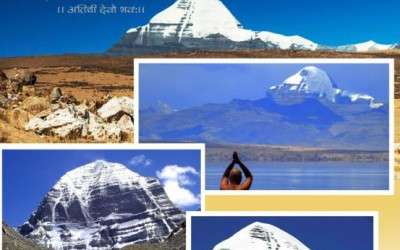
The two are sacred to Hindus, Buddhists, Jains, and Bon believers. People go to Kailash to purify their souls and achieve spiritual serenity.

During the Mount Kailash Mansarovar Tour, you will have an opportunity to experience scenic mountain views along with beautiful valleys, and meet with wonderful representatives of Tibetan culture.

The tour starts when people gather in large numbers to prepare for the journey they are about to embark in Kathmandu. 

From there, you will take a flight to Lhasa, discover its history and culture, and then drive through the stunning countryside of Tibet to finally reach Mount Kailash. The tour also involves a physically stimulating but stimulating Kora, a circumambulation around Kailash, an essential activity in the pilgrimage.

The Mount Kailash Mansarovar Tour is a religious trip, a chance to be with nature, worship, and experience Tibetan culture. You will get an opportunity to interact with friendly people, see breathtaking old monasteries, and learn about historical traditions. 

Mount Kailash Mansarovar Tour via Lhasa becomes unforgettable for all who dare to arrive at this place, combining adventurous, religious, and cultural tours. Whether for a spiritual quest or an ability to view the Himalayas up close, this tour is to be noticed.

Highlights of Mount Kailash Mansarovar Tour Via Lhasa 2027

  • Discover the rich history and culture of Lhasa
  • Marvel at the stunning architecture of this UNESCO site
  • Walk around the famous pilgrim circuit in Lhasa
  • Trek Around Mount Kailash (Kora)
  • Enjoy the Serenity of Mansarovar Lake
  • Discover Tibetan Culture and Traditions
  • Explore sacred sites like Tashilhunpo Monastery
  • Witness Breathtaking Himalayan Landscapes
  • Experience personal growth and spiritual connection
  • Take photos of stunning landscapes and cultural moments

Detail Itinerary

Day 01

Day 01: Arrival in Kathmandu (1,400m) and Transfer to Hotel

Upon arriving in Kathmandu at an altitude of 1,400 meters, your guide will greet you and transfer you to your hotel. This day is dedicated to helping you settle in after your journey.

You can rest, explore the bustling Thamel area, or enjoy a tasty meal at a local restaurant. The sights and sounds of Kathmandu will immerse you in Nepal's rich culture. In the evening, take the opportunity to relax and prepare for the Kailash Mansarovar yatra via Lhasa ahead.

Food
Dinner
Accomodation
Hotel in Kathmandu
Altitude
1400m
Day 02

Local sightseeing in Kathmandu and briefing of yatra

Today, you will be exploring some of the city's most important religious pilgrimage sites like Pashupatinath, Gujeshwari, and Swayambhunath.

Pashupatinath is one of the most important Hindu pilgrimage sites and holds cultural significance, providing an appropriate spiritual beginning to your Kailash Mansarovar Yatra. Gujeshwari is one of the Shakti Peeths located on the southern bank of the Bagmati River.

Swayambhunath is perched atop a hill, famous for its ancient complex and perfect religious harmony between Hindu and Buddhist.

After completing sightseeing, return to the hotel and participate in the briefing session organized by Well Nepal along with our local guides regarding the pilgrimage tour, altitude, safety protocols, and preparation for the journey ahead.


Food
Breakfast, Lunch, Dinner
Accomodation
Hotel in Kathmandu
Altitude
1400m
Day 03

Fly from Kathamndu to Lhasa (3,656m) and Transfer to Hotel

Altitude: 3,656m (Lhasa)

Flying Time: Approximately 1.5 hours

Today, you will take a morning flight from Kathmandu to Lhasa, about 3,656 meters above sea level. The flight will deliver stunning views of the Himalayas, so prepare your camera to capture the stunning landscapes and the Himalayas.

Upon arrival in Lhasa, complete the necessary immigration and travel formalities before proceeding to your hotel. After check-in, the remainder of the day is dedicated to rest and acclimatization.

Lhasa sits at a high altitude of 3,656 m, so it is important to avoid strenuous activities while allowing your body to adjust and acclimatize to your surroundings.

Food
Breakfast, Lunch, Dinner
Accomodation
Hotel/ Lodge
Altitude
3656m
Day 04

Sightseeing and exploration of Lhasa (3,656m)

Altitude: 3,656m (Lhasa)

Driving Hours: Approximately 4-5 hours

Today, you will be visiting some of the most popular places in Lhasa as part of acclimatization.

You will visit important sites like the Potala Palace, a UNESCO World Heritage Site and the former winter residence of the Dalai Lama. Next, you'll head to Jokhang Temple, the most sacred temple in Tibetan Buddhism, followed by a stroll around Barkhor Street, where you can see local shops and street vendors.

Throughout the day, you will gain insights into Tibetan culture and religion. Return to your hotel in the evening for rest.

Food
Breakfast, Lunch, Dinner
Accomodation
Lodge/Hotel
Altitude
3656m
Day 05

Fly from Lhasa to Ali/ Purang (4,500 m) and drive to Mansarovar (4,590 m)

Altitude: 4,590 m

Flying Hours: 1 hour 50 min

Driving Hours: Approximately 7-8 hours

Today, your journey continues towards the remote and breathtaking gateway of western Tibet, starting with a flight from Lhasa to Ali. Upon arrival in Ali, you will continue your journey with a drive towards the sacred Mansarovar. As you drive deeper into the Tibetan Plateau, the landscapes will change gradually with vast open plains and scenic Mountain views. 

Upon reaching the sacred Mansarovar area, settle into your accommodation and take time to rest and acclimatize your body properly to the high altitude. Later, you will have the opportunity to soak yourself in the serene atmosphere of Mansarovar.

Food
Breakfast, Lunch, Dinner
Accomodation
Lodge/Hotel
Altitude
4590m
Day 06

Drive from Mansarovar to Darchen (4,640m)

Altitude: 4,640m (Darchen)

Total Distance: 30 km (from Mansarovar to Darchen)

Driving Hours: Approximately 1 hour

After breakfast, you will drive from Mansarovar to Darchen, which is at an altitude of 4,640 meters. The drive will take about an hour. Darchen is the starting point for the Kailash Yatra.

Upon arrival in Darchen, check into your guesthouse and spend the day preparing your trekking gear and acclimatizing properly before beginning your holy Kailash Kora Trek. Later, you can visit the local area and enjoy the surrounding views, making sure to rest up for the challenging days ahead.

Food
Breakfast, Lunch, Dinner
Accomodation
Lodge/Hotel
Altitude
4640m
Day 07

Drive from Darchen to Yamadwar (4,780m) and Holy Trek to Dirapuk (4,900m)

Altitude: 4,900m (Dirapuk)

Total Distance: 20 km (from Darchen to Yamadwar and then to Dirapuk)

Driving Hours: Approximately 30 minutes

Today marks the beginning of your Kailash parikrama (Kora). After an early breakfast, you will drive to Yamadwar, the starting point of your holy trek, at an altitude of 4,780 meters. This short drive takes about 30 minutes. Once you reach Yamadwar, you will begin your trek to Dirapuk, about 20 kilometres away.

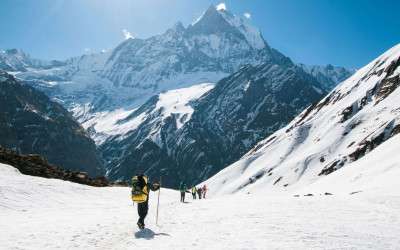
The trek will take about 6 to 7 hours, and the trail leads you through spectacular Tibetan landscapes while offering impressive views of Mount Kailash along the way.

This is the first day of trekking, so maintain a slow and steady pace due to the high altitude. Upon reaching Diraphuk, settle into your accommodation, get plenty of rest, and prepare for the second day of your holy kora trek.

Food
Breakfast, Lunch, Dinner
Accomodation
Lodge/Hotel
Altitude
4900m
Day 08

Holy Trek to Zuthulpuk (4,750m) via Dolma La pass (5,630 m)

Altitude: 4,750m (Zuthulpuk)

Total Distance: 22 km (from Dirapuk to Zuthulpuk)

Trekking Hours: Approximately 6-8 hours

Today's trek is the most challenging day of Kailash Parikrama (Kora) and takes you from Dirapuk to Zuthulpuk, located at 4,750 meters via Dolma La Pass (5,630 m), the highest point of this pilgrimage tour. The journey covers about 22 kilometres and will take 6 to 8 hours. This trek is spiritually significant, as you will walk around Mount Kailash. Along the way, you'll enjoy stunning views and may see local pilgrims completing their Kora (circumambulation).
Drink plenty of water to hydrate your body and maintain a slow and steady pace with proper acclimatization. The trail involves steep ascents and descents, and the high altitude makes this a physically demanding day. 

Food
Breakfast, Lunch, Dinner
Accomodation
Lodge/Hotel
Altitude
4750m
Day 09

Holy Trek Near Darchen and Drive to Ali/ Purang (4,500 m)

Altitude: 4,500 m

Total Distance:  Approximately 220 km

Driving Hours: Approximately 4-5 hours

On this day, you will complete the final section of Kailash Parikrama and do a short trek from Zuthulpuk to the end of the Kora near Darchen. After completing this sacred trek, you will return toward Darchen and continue to drive by road toward Ali (Ngari).

This is an important recovery day after completing the demanding Kailash pilgrimage.
Enjoy the changing scenery of the Tibetan Plateau while travelling toward Ali.
 

Food
Breakfast, Lunch , Dinner
Accomodation
Lodge/Hotel
Altitude
4500m
Day 10

Fly from Ali/ Purang to Lhasa (3,656 m)

Altitude: 3,656 m

Flying Hours: 1 hour 50 min

After breakfast, you will be transferred for your flight from Ali to Lhasa. Upon arrival, check in at your hotel and rest after the Kailash Parikrama.
Depending on your energy and the local schedule, you may have some free time to explore Lhasa or simply relax at the hotel.
 

Food
Breakfast, Lunch, Dinner
Accomodation
Lodge/Hotel
Altitude
3656m
Day 11

Fly Back to Kathmandu

Altitude: 1400 m

Flying Time: Approximately 1.5 hours

After breakfast, you will be led to the airport for your flight back to Kathmandu. Enjoy the stunning views of the mountains as you fly over the Himalayas. Upon arrival in Kathmandu, you will be transferred to your hotel.

You can spend the rest of the day relaxing or exploring more of the city. Enjoy your last evening in Nepal by indulging in some local cuisine or shopping for souvenirs.

Food
Breakfast, Lunch, Dinner
Accomodation
Hotel in Kathmandu
Altitude
1400m
Day 12

Final departure from Kathmandu

On your final day in Kathmandu, you will check out of your hotel and be transferred to the airport for your departure flight. If time remains, you might explore more of the city or enjoy a last-minute shopping spree before heading home, taking the memories of your incredible journey with you.

Food
Breakfast
Accomodation
Not Included
Altitude
1400m

Things need to know before departure

Obtaining the necessary permits is crucial when planning your Mount Kailash Mansarovar Tour. Mount Kailash is located in Tibet, and there are specific regulations for foreign travelers. The key permits you will need include:

  1. China Visa: Before applying for other permits, you must obtain a visa for China. This is typically a tourist visa, which can be arranged through a Chinese embassy or consulate in your country. Apply for this well in advance, as processing times can vary.

  2. Tibet Travel Permit: This permit is mandatory for all foreign travelers visiting Tibet, including Mount Kailash. Your travel agency will usually handle this for you. It allows you to enter Tibet and travel to places like Lhasa and Mount Kailash.

  3. Aliens’ Travel Permit: If you plan to visit areas beyond Lhasa, such as Mount Kailash, you will need an Aliens’ Travel Permit. Your tour operator will arrange for this permit necessary for traveling in restricted areas.

  4. Group Travel Permit: All travelers to Mount Kailash must be part of an organized tour. Individual travel is prohibited, and your group will receive a special travel permit.

Physical Fitness

It is important for the Kailash Mansarovar via Lhasa to be in good physical shape. Regular walking, hiking, or light exercise can help improve your stamina. Start training a few weeks before the tour to prepare your body.

Altitude Acclimatization

Mount Kailash is at a high altitude. To acclimate before the Kailash Mansarovar via Lhasa, spend a few days there. This will help your body adapt to the lower oxygen levels and reduce the risk of altitude sickness.

Travel Documents

Confirm you have all necessary documents, including a valid passport and required visas. Complete your visa application for China before the trip, which can take some time.

Packing Essentials

Bring essential items for your journey. These include warm clothing, a good-quality sleeping bag, sturdy hiking boots, a first-aid kit, and personal toiletries. Don't forget sunscreen, sunglasses, and a water bottle.

Medication

Consult your doctor about any necessary vaccinations or medications. Carry altitude sickness pills and any personal medication you may need during the trip.

Local Currency

Have some Chinese yuan on hand for small purchases. Credit cards may not be widely acknowledged in remote areas, so carrying cash is wise.

Mental Preparation

The tour can be challenging and demanding, both physically and mentally. Prepare yourself for the Kailash Mansarovar via Lhasa by staying positive and open to new experiences.

Research

Learn about the culture and customs of Tibet. Understanding the local traditions will enhance your experience and help you respect the local people.

Travel Insurance

Consider getting travel insurance that protects Kailash Mansarovar via Lhasa activities. This can provide peace of mind in case of unexpected situations.

Stay Hydrated

Consume plenty of water before and during the trip to stay hydrated. Proper hydration is crucial, especially at high altitudes.

When undertaking the Mount Kailash Mansarovar Tour via Lhasa, your accommodation depends on the area and the available infrastructure. Although well-equipped hotels may offer only standard accommodation services, they can be found in major cities, especially in Lhasa.

It has neat accommodations, electricity supplies, water, and food, and it is cool to take a break after long sightseeing activities. In particular, when you stay in Lhasa, the local food and culture are very tastefully different from the rest of China; this adds so much value to the trip.

When passing through to Shigatse and Saga, the lodgings offered need to be more varied. You have enclosed guest houses and lodges here, especially for tourists. It's important to know that while the amenities may seem slightly rustic, they are comfortable enough to help one get some rest.

Most accommodations provide shared facilities and hot water during some particular time. You can socialize with other travellers in such guesthouses, which gives them a friendly environment.

When you get to Mansarovar and Darchen, however, the standard of the lodging establishments could be higher because the locations are relatively isolated.

Accommodation here is limited and includes simple lodges, some B&Bs, and camping facilities. The hotel should be rather simple without facilities in the rooms; for example, there can be en-suite rooms or shared facilities for the entire floor.

Of course, the comfort is not as high as in other places, but the view and the spiritual feeling that comes with it overtake the comfort factor. It is always important to remain humble and embrace the fact that everything somehow is so special to have a chance to stay near sacred objects.

Transportation is crucial to the Mount Kailash Mansarovar Tour, allowing you to travel between various destinations safely and comfortably. Here's a breakdown of the transportation options available during the tour:

  1. Private Vehicle Transfers: For most of the journey, you will travel in a relaxed private vehicle. These vehicles are often SUVs or minivans designed to handle the rugged terrain of Tibet. You can expect a smooth ride with experienced drivers familiar with the roads. This option offers flexibility, allowing you to stop at picturesque spots for photos and breaks.

  2. Domestic Flights: The tour usually includes a flight from Kathmandu to Lhasa. This flight is essential, as it saves time and provides breathtaking views of the Himalayas. Ensure you book your getaway in advance to secure your spot, as seats can fill up quickly, especially during peak seasons.

  3. Road Travel: After arriving in Lhasa, most of the journey involves road travel. The roads connecting Lhasa to Shigatse, Saga, and the Mansarovar region are well-maintained but can be winding and bumpy in certain areas. While travelling, you will enjoy stunning landscapes, including mountains, valleys, and rivers.

  4. Local Transport in Cities: You may use local taxis or rickshaws to explore nearby attractions like Lhasa and Shigatse. These local transport options are convenient and allow you to experience the urban vibe of Tibetan culture. Always negotiate the fare before getting in, as most taxis do not have meters.

  5. Walking and Trekking: Once you reach Darchen, your journey continues on foot. The trek around Mount Kailash is essential to the experience, allowing you to connect with the region's spiritual energy. While trekking, follow the designated paths and be prepared for changing weather conditions.

  6. Support Vehicles: Support vehicles may accompany you on the trek to transport luggage and supplies. This arrangement allows you to trek with minimal weight, making the journey more enjoyable. You can focus on the scenery and spiritual aspects rather than worrying about heavy packs.

The best time to visit Kailash Mansarovar via Lhasa depends largely on the weather and trekking conditions. The best times for Kailash Mansarovar via Lhasa are during the spring and autumn months when the temperature is mild and the views are spectacular.

Be sure to plan your trip according to the conditions you prefer, and always check the weather prediction for any changes that may affect your journey.

Here's a breakdown of the ideal times for your journey:

Spring (April to June)

Spring is one of the best seasons to visit Kailash Mansarovar via Lhasa. The weather during these months is generally mild and friendly, with daytime temperatures ranging from 10°C to 20°C (50°F to 68°F).

The snow begins to melt, revealing the stunning landscapes and vibrant flora. This is also a popular time for pilgrims, so you'll encounter many fellow travellers. However, be prepared for occasional rain and chilly nights, especially at higher altitudes.

Summer (July to August)

Summer can be quite warm, especially in July and August, with temperatures rising to 25°C (77°F) during the day. While this season offers beautiful scenery and clear skies, it is also the monsoon season in the region.

Expect heavy rainfall, which can cause landslides and roadblocks. If you choose to travel during this time, check weather conditions regularly and be prepared for delays.

Autumn (September to October)

Autumn is another excellent time to visit Mount Kailash. The weather is generally stable, with cool temperatures ranging from 5°C to 20°C (41°F to 68°F). The clear skies provide stunning views of Kailash Mansarovar via Lhasa and the surrounding landscapes.

Fewer tourists visit during this season, allowing for a more peaceful experience. It's an ideal time for trekking, but be aware that nights can be quite cold as the temperatures drop.

Winter (November to March)

Winter is the least favourable time for visiting Mount Kailash. The temperatures can drop significantly, often falling below freezing at night. Heavy snowfall can block access roads, making travel difficult.

However, if you enjoy solitude and are well-prepared for harsh conditions, this season offers a unique experience. The landscapes are breathtaking, and the spiritual atmosphere is even more profound without the usual crowds.

Clothing

  • Warm jackets (down or thermal)

  • Fleece or thermal layers

  • Moisture-wicking t-shirts

  • Trekking pants

  • Waterproof pants

  • Wool or thermal socks

  • Comfortable trekking shoes or boots

  • Sandals or flip-flops for relaxing

  • Warm hat and gloves

  • Sunglasses with UV protection

Trekking Gear

  • Daypack for hiking

  • Trekking poles

  • Sleeping bag (rated for cold temperatures)

  • Sleeping mat (if not provided)

  • Headlamp or flashlight with extra batteries

Personal Items

  • Toiletries (toothbrush, toothpaste, etc.)

  • Sunscreen and lip balm with SPF

  • Personal medications and a first-aid kit

  • Hand sanitizer and wet wipes

  • Tissues or toilet paper

Travel Essentials

  • Passport and visa documents

  • Travel insurance details

  • Cash (in local currency) and credit/debit cards

  • Camera or smartphone for photos

  • Power bank for charging devices

  • Maps or guidebooks (if desired)

Snacks and Hydration

  • Reusable water bottle

  • Energy bars or snacks

  • Electrolyte tablets for hydration

Miscellaneous

  • Lightweight travel towel

  • Travel locks for bags

  • Notepad and pen for journaling

  • Ziplock bags for keeping items dry

When visiting Mount Kailash Mansarovar, understanding and respecting local customs and traditions is essential. As a holy site for Hindus and Buddhists, it's important to behave respectfully. Always greet locals with a smile and a polite "Namaste," placing your hands together in a prayer gesture.

When taking photographs, especially of people, seek permission first. Dress modestly, particularly when visiting temples or participating in religious ceremonies. Avoid wearing revealing clothing, as this can be seen as disrespectful. Removing your shoes before entering any religious site is customary, so be prepared to do so.

Additionally, while trekking, be mindful of the environment and avoid littering. Treat the land and its people respectfully, as this is a spiritual journey and a shared experience with fellow travellers. When interacting with locals, listen attentively and be open to their stories and experiences.

Conversations about their culture can enrich your journey and foster mutual understanding. Remember that you are a guest in their land; a little respect goes a long way in building positive relationships.

Frequently Asked Questions

The best time to visit Mount Kailash is spring and autumn, specifically from April to June and September to October. The weather is relatively mild and stable during these periods, making it ideal for trekking. Summer can bring heavy rainfall, while winter temperatures can be extremely low, making travel difficult. Visiting during the recommended months allows you to enjoy the breathtaking scenery without the harsh weather conditions.

Due to the increased altitude and rugged terrain, the Kailash Mansarovar yatra via Lhasa is considered moderate to challenging. Visitors must be prepared for steep climbs and changing weather conditions. Proper acclimatization is crucial to avoid altitude sickness, so taking time and listening to your body is important. Regular physical training before the yatra can significantly enhance your experience.

Travelers need a Tibet Travel Permit to enter Tibet and visit Mount Kailash. Your tour operator usually arranges this permit, so booking your tour in advance is important. Additionally, a visa for China is required, which can be obtained through your local Chinese embassy. Ensure all documents are in order before your journey to avoid any last-minute issues.

Due to the remote location and potential language barriers, travelling to Mount Kailash without a guide is not recommended. A guide can provide useful insights into the local culture, assist with navigating the trails, and help in case of emergencies. Group tours offer a more comfortable experience, including transportation, accommodation, and meal arrangements. Having a familiar guide can greatly enhance your experience.

Altitude sickness is a typical concern when trekking in the Mount Kailash region, as the altitude reaches over 5,000 meters (16,404 feet). Symptoms can include headaches, nausea, and dizziness. Acclimatization is key to minimizing the risk. It's essential to ascend slowly, stay hydrated, and listen to your body. If you experience severe symptoms, immediately descending to a lower altitude is important.

Depending on your itinerary, accommodation during the Mount Kailash tour ranges from basic guesthouses to more comfortable hotels. You can find hotels with various amenities in Lhasa and other major cities. However, accommodation may be more basic in remote areas, often with shared facilities. Managing your expectations regarding comfort levels is important, especially in high-altitude areas.

The trek around Mount Kailash typically takes about three days and covers approximately 52 kilometres (32 miles). The Kora, or circumambulation, is a sacred ritual for many pilgrims. It's done clockwise for Hindus and counterclockwise for Buddhists. The trek involves crossing the Dolma Pass, the highest point at around 5,630 meters (18,471 feet). Proper preparation and acclimatization are essential to completing the trek comfortably.

Pack warm clothing, including thermal layers and a waterproof jacket, as temperatures can drop significantly, especially at night. Good trekking shoes are crucial for navigating rocky terrain, along with a sleeping bag suitable for cold weather. Don't forget essentials like sunscreen, a first-aid kit, and personal hygiene items. Staying hydrated and carrying snacks for energy during treks is also important.

It's important to consult with a healthcare provider about vaccinations and medications before your trip. Common recommendations include vaccinations for hepatitis A, typhoid, and tetanus. Travellers may also want to carry altitude sickness medication, like Diamox, as a precaution. Maintaining good hydration and a balanced diet during the trek will help you feel better.

Mobile phone connectivity varies across the region. You can access Wi-Fi and cell service in cities like Lhasa, but coverage is limited in remote areas. It's advisable to inform friends and family about limited communication opportunities while on the Kailash Mansarovar via Lhasa. Consider carrying a power bank to charge your phone, as electricity access may be limited in guesthouses.

Food options during the Mount Kailash tour, especially in remote areas, can be limited. Expect a mix of Tibetan, Chinese, and some international cuisine. Dishes like momos (dumplings), noodles, and rice are common. Communicating any dietary restrictions to your Kailash Mansarovar via Lhasa operator in advance is essential, as vegetarian options may not always be available.

Yes, travel insurance is highly suggested for the Mount Kailash tour. A suitable travel insurance policy should cover trip cancellations, medical emergencies, and evacuation due to altitude sickness. Ensure your policy includes high-altitude trekking coverage, as standard policies may not cover such activities. Having insurance provides peace of mind during your travels.

Travellers typically reach Mount Kailash from Kathmandu by driving to the Tibet border at Rasuwagadhi. From there, you'll cross into Tibet and continue to Lhasa, followed by road trips to Mount Kailash. Some tour operators offer packages, including transportation from Kathmandu to Kailash, ensuring a smoother journey. Plan your trip with an experienced guide for a hassle-free experience.

Children can participate in the Kailash tour, but their health and stamina for high-altitude trekking must be considered. Families should assess their children's physical readiness for the trek and ensure they are prepared for the challenging conditions. Some tour operators may have age restrictions, so checking with them beforehand is advisable. Always prioritize the safety and comfort of younger travellers.

Mount Kailash is considered one of the world's most sacred mountains for Hindus, Buddhists, Jains, and Bonpos. For Hindus, it is the abode of Lord Shiva, while Buddhists regard it as a sacred site associated with spiritual enlightenment. The mountain's unique shape and surrounding lake, Mansarovar, enhance its spiritual significance. Pilgrims undertake the Kora to seek blessings and spiritual purification.

Yes, there are several cultural practices to respect while visiting Mount Kailash. For instance, walking clockwise around the mountain during the Kora is customary. When visiting temples or meeting locals, always show respect and avoid pointing your feet at people or religious symbols. Gift-giving is also thoughtful when meeting local families, and engaging in respectful conversations can enrich your experience.

If you cannot complete the Kailash Mansarovar via Lhasa due to altitude sickness or other issues, your guide will assist you in descending to a lower altitude for recovery. It is essential to communicate any discomfort to your guide promptly. Depending on your location, arrangements can be made for transportation back to Lhasa or your accommodation.

While some travellers may choose to drink alcohol during the tour, it is advisable to limit or avoid alcohol consumption, especially at high altitudes. Alcohol can raise the risk of dehydration and altitude sickness. If you drink, do so in moderation and ensure you stay well-hydrated. Respecting local customs regarding alcohol consumption is also important when interacting with the community.

Photography is generally permitted in most areas, but it's essential to respect local customs and ask for permission when taking pictures of people. Certain religious sites may have restrictions on photography, so be observant of any signs or guidelines. Avoid using flash in temples, as it may be considered disrespectful. Capturing the stunning landscapes and cultural moments is part of the experience, but always prioritize respect for the environment and its people.

If you misplace your passport or important documents during the tour, immediately report the loss to your tour guide and the local authorities. Your tour operator can assist you in contacting your embassy or consulate to obtain a replacement passport. Keep photocopies of important documents stored separately from the originals for easier reference. Being proactive and cautious can help prevent major issues during your trip.

MAP

Map of Mount Kailash Mansarovar Tour Via Lhasa 2027
Contact Us: +9779851136944 +9779851136944, , Laxmi Hights 7th Floor, Lazimpat 44600 Kathmandu