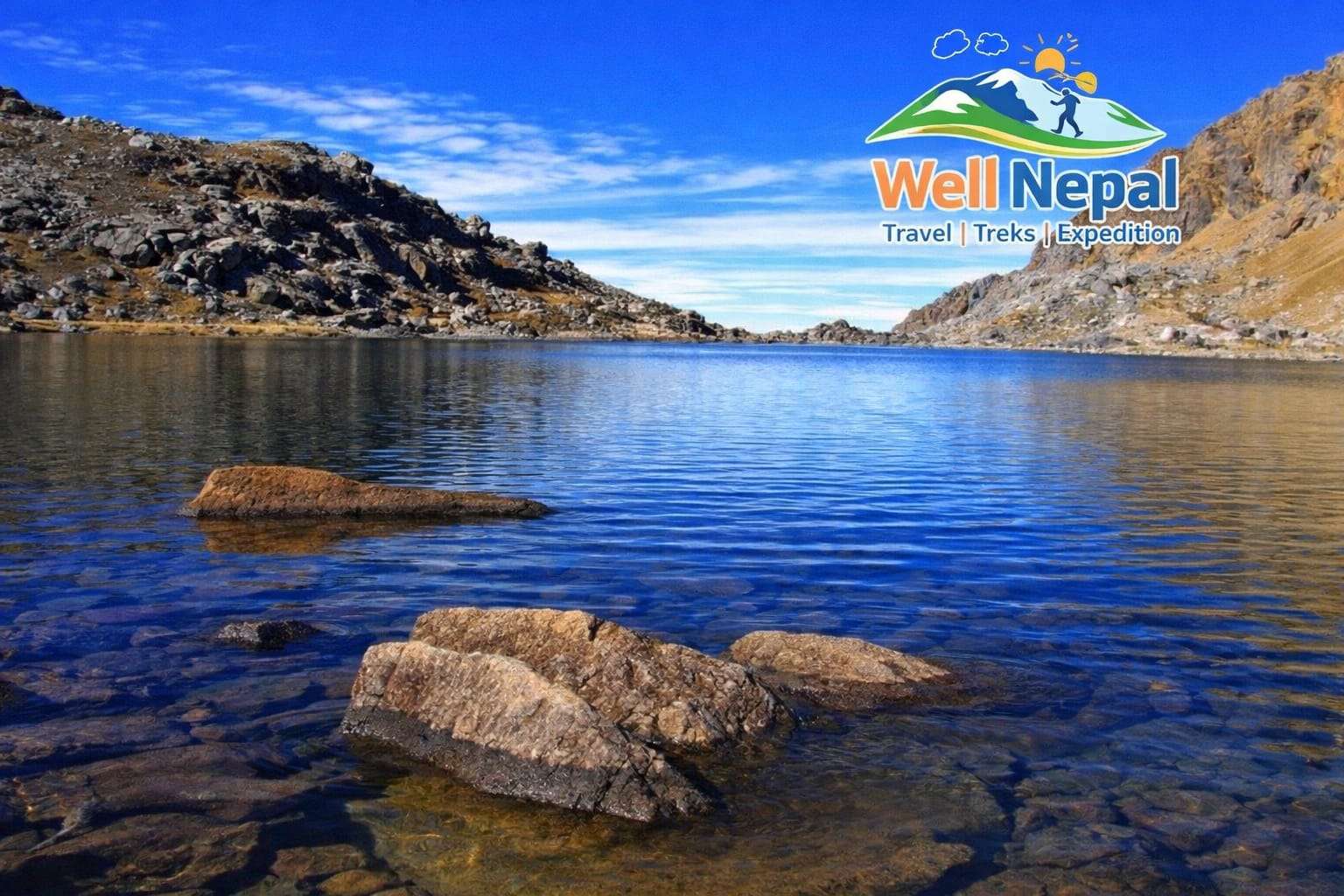
The Gosaikunda Trek is one of the most spiritual and beautiful trekking routes in Nepal. This sacred lake, situated in the peaceful Langtang National Park, lies at an altitude of about 4,380 meters. It is a popular destination for trekkers and pilgrims from all over the world. This trekking route provides a perfect blend of mountain scenery, dense forests, typical villages, and religious significance, making it an ideal adventure for people of all ages. The trek begins from Kathmandu, and as you move ahead, you are gradually introduced to the varied landscapes - from green hills and rhododendron forests to rocky paths and alpine meadows. As you ascend further, the climate becomes cooler, the views become wider, and the peaceful ambiance of the mountains starts to envelop you. The trek passes through some small Tamang and Sherpa villages, where you can experience the local way of life, the warmth of the local hospitality, and the local culture. Gosaikunda is more than a trekking spot; it is a religious site. The lake is said to have been formed by Lord Shiva, and every year, thousands of Hindu and Buddhist pilgrims flock to the site during the Janai Purnima festival. Even when it is not the festival season, the lake is a site of great religious significance and a place where one can find peace. When you finally arrive at the lake, the sight of the crystal-clear blue water and the snow-capped mountains is impossible to forget.
This trek is ideal for those who are either beginners, in good physical condition, or experienced trekkers looking for a short but exhilarating experience. The trek does not require any technical knowledge of climbing, but it does require a great deal of patience, endurance, and a love for nature. The trek is replete with breathtaking views, serene forests, mountain passes, and the sense of being ever closer to something holy. One of the most exciting aspects of the Gosaikunda trek is its accessibility. This trek is one of the closest high-altitude trekking spots to Kathmandu, making it an ideal destination for those who wish to experience the Himalayas in a short span of time. The trek is well-defined, and there are numerous teahouses along the way where trekkers can take a break and spend the night. This trek is not only about reaching the destination but also about the journey that one goes through. With every step, a new sight, a new experience, and a new feeling of being connected with nature unfold. Whether it is an adventure, a religious experience, a photo shoot, or just a getaway from the hustle and bustle of city life, Gosaikunda has something to offer that will always be in your heart.
Why Choose the Gosaikunda Trek
The Gosaikunda trek is among the best short trekking trails in Nepal because it offers a combination of natural beauty, religious significance, and cultural exposure in a short period of time. Unlike other treks that take weeks to complete, this trek can be finished in a matter of days and still provides a genuine Himalayan experience. One of the main reasons why this trek should be preferred is its accessibility. The fact that it is located near Kathmandu makes it easy to reach without feeling exhausted. There are no flights or long drives involved. In a matter of a few hours of driving, you can reach the trekking trailhead and start your journey into the Mountains. Another reason is the peaceful surroundings. The trek is not as crowded as other popular trekking trails, and you can enjoy the surroundings peacefully. Passing through the forests with birds, walking through the streams, and witnessing the peaks of mountains in the distance make the trek a relaxing and rejuvenating experience. The Gosainkunda trek also provides a strong spiritual experience. Many people come to Gosaikunda for religious purposes, and the peaceful surroundings of the lake provide a special experience. Even if you are not a religious person, the peaceful surroundings and the beauty of the lake provide a deep emotional experience. This trek is also ideal for first-timers who want to experience high-altitude trekking for the first time. The routes are not difficult, and there are many options to stay along the way. You can walk at your own pace and enjoy the trek comfortably.
How to Reach Gosaikunda from Kathmandu
Reaching the starting point of the Gosaikunda trek from Kathmandu is easy and hassle-free. The trekking journey normally starts with a road journey from Kathmandu to Dhunche or Sundarijal, depending on the trekking route you select. The common trekking route to Gosaikunda starts from Kathmandu to Dhunche, which is a 6-8 hour journey by bus or jeep. The road journey passes through hills, rivers, and villages, providing a glimpse of rural Nepal. Dhunche is a small village and the primary entry point to the Langtang region. The trekking route from Dhunche starts with a walk through the forests and villages. The route gradually ascends to the top of the hill, giving trekkers time to acclimatize to the high altitude. The route passes through villages such as Deurali and Chandanbari to reach Gosaikunda. Another trail begins from Sundarijal, which is relatively nearer to Kathmandu. This trail passes through the Shivapuri hills and joins the main Gosaikunda trekking trail. This trail is a bit longer but has some wonderful forest views. Whichever trail you take, the journey to Kathmandu is also a part of the adventure. The varying landscape, friendly locals, and the mountain vistas make the journey experience a pleasure.
Weather and Climate Conditions on the Gosaikunda Trek
The Gosaikunda Trek has four seasonal variations, and each season provides a different experience for trekkers. It is very important to know the climatic conditions to have a safe and enjoyable journey on the Gosaikunda Trek Route.
- Spring (March to May) is the best season to go for the Gosaikunda Trek. During spring, the forests on the trekking route are lined with rhododendrons in full bloom, making the scenery quite beautiful. The climate is mild during the day and cool at night, making it ideal for trekking. The weather is usually clear, providing trekkers with breathtaking views of the snow-capped mountains and the sparkling alpine lakes on the Gosaikunda Trek Route. Spring is the best season for photographers, nature enthusiasts, and trekkers who want to enjoy colorful landscapes and moderate weather.
- Summer or Monsoon (June to August) is characterized by heavy rainfall in the region. Though trekking during the monsoon season is less in vogue due to slippery trails and possible cloud cover, it provides lush greenery and a less crowded trekking experience. The Gosaikunda Trek is serene during this time, with fewer trekkers on the trail. However, trekkers need to be equipped with proper rain gear and need to be careful on the slippery trails. Though it poses some difficulties, the monsoon season is a new and exciting experience for the Gosaikunda Trek Route enthusiasts.
- Autumn (September to November) is the most preferred time of the year for the Gosaikunda Trek 4 Days itinerary. During this time, after the monsoon season, the sky is clear, and the air is fresh. The panoramic views of the Himalayan ranges, including Langtang Lirung and Ganesh Himal, are fully visible. The weather is clear, making the trails safe and enjoyable for trekking. Autumn is also a colorful time, with festivals adding to the vibrancy of the villages on the Gosaikunda Trek Route.
- Winter (December to February) is characterized by cold weather, particularly in the higher regions around Gosaikunda Lake. The trail might be covered with snow, giving a peaceful and tranquil atmosphere. The Gosaikunda Trek is less crowded during winter, providing solitude for those trekkers who wish to have some peaceful moments. Trekkers should be equipped with proper winter clothing to cope with the cold weather, and they should be ready for icy or snowy conditions on the Gosaikunda Trek Route.
Each season has its own distinct features for the Gosaikunda Trek. Spring and autumn are the best seasons for beginners and intermediate trekkers, while summer and winter seasons are for those trekkers who wish to have some different experiences in the wilderness of nature.
Best Time to Visit Gosaikunda Trek
The most favorable seasons for the Gosaikunda Trek are spring (March to May) and autumn (September to November). During these seasons, the climatic conditions are perfect, the sky is clear, and the natural scenery is breathtaking, making the Gosaikunda Trek Route a safe and enjoyable trekking experience. For trekkers who have followed the Gosaikunda Trek 4 Days itinerary, these seasons are the most pleasant for trekking moderate routes and enjoying the breathtaking views of the Himalayas.
- In spring, the Gosaikunda Trek Route is adorned with rhododendrons in full bloom. The red, pink, and white flowers stand out against the snow-capped mountains. The climate is moderate, not too hot or too cold, and the route is relatively safe and easy to trek. In spring, the visibility is also good, and trekkers can enjoy the natural scenery of the region, including the sight of streams and meadows.
- Autumn is regarded as the most preferred time for the Gosaikunda Trek. After the monsoon rains, the weather is clear, with a cool atmosphere and spectacular views of the mountains. The peaks of Langtang Lirung and Ganesh Himal stand out clearly against the bright blue sky. The trekking route is also stable, making it easier and more enjoyable to trek. Autumn is also the time when festivals are celebrated in the villages along the Gosaikunda Trek Route, providing trekkers with an opportunity to experience the culture and festivities of the local people firsthand.
Although less preferred, winter and monsoon seasons also provide different experiences for trekkers. During winter, the climate is chilly, with the possibility of snow on the higher trails near Gosaikunda Lake. This provides a magical and peaceful ambiance with frozen lakes and fewer trekkers on the trails, providing trekkers with ample time for reflection and solitude. At the same time, the monsoon season provides a lush and green landscape. The streams and waterfalls are at their peak, and the trails are devoid of trekkers, providing trekkers with a peaceful experience. Rain gear and precautions are required, but the monsoon season also has its own charm.
Places to Visit on the Way to Gosaikunda Trek
The route to Gosaikunda is replete with stunning locations that make the trekking experience even more delightful. One of the first major destinations is Dhunche, which is a small town nestled in the midst of hills and forests. It is the point of entry and provides a good opportunity to rest before embarking on the trek. The Gosaikunda Trek Route is replete with stunning vistas, pristine lakes, and culturally rich villages, making the trekking experience as memorable as the destination itself. The trekkers on the Gosaikunda Trek route pass through forests, meadows, streams, and holy sites, experiencing both the beauty and the way of life of the people of the Himalayas. Below is a detailed description of the major destinations on the route:
1. Dhunche
Dhunche is the entrance point to the Gosaikunda Trek. This town is situated in a serene valley and gives trekkers their first exposure to the rural Himalayas. Dhunche offers comfortable lodging, local cuisine, and shops to stock up on supplies before the trek. Exploring the town, trekkers get to see typical Nepali homes, agricultural land, and the hospitality of the Tamang people. The town also gives trekkers their first glimpse of the surrounding mountains, which sets the stage for the trek on the Gosaikunda Trek Route.
2. Mini Gosaikunda
After departing from Dhunche, trekkers usually make their way to Mini Gosaikunda, a small alpine lake that gives trekkers an early glimpse into the serenity and spiritual side of the region. Although smaller than Gosaikunda Lake, it is a serene spot to relax and acclimatize. This spot is perfect for taking photos, contemplating, and appreciating the still waters that reflect the surrounding mountains on the Gosaikunda Trek Route.
3. Dhurali
Dhurali is a mountain village on the trekking route that serves as an important acclimatization point. The village is surrounded by alpine meadows, streams, and small lakes, giving trekkers a breathtaking view of the Langtang Himalayan range. The teahouses in Dhurali serve warm meals of dal bhat and momos, which give trekkers the necessary energy for the next leg of the Gosaikunda Trek.
4. Chandanbari
Chandanbari is a peaceful forested region with a reputation for warm hospitality. The teahouses in Chandanbari are run by local families who offer trekkers a taste of local cuisine, local stories, and local knowledge about village life. The trekkers get to experience the local culture, which gives them a different experience on the Gosaikunda Trek Route. The forests and streams surrounding Chandanbari make it an excellent spot to rest before the difficult trekking legs.
5. Lauribanayak
Lauribanayak is a small settlement on the trek route, providing trekkers with breathtaking views of the surrounding valleys and mountains. The region is covered with greenery during spring and autumn, and snow during winter. Trekkers can take a short break to relax, enjoy the views, and bask in the serenity of this mid-point on the Gosaikunda Trek Route.
6. Gosaikunda Lake
The holy Gosaikunda Lake is the major attraction of the trek. The lake's crystal-clear water reflects the surrounding Himalayan Mountains, making it a breathtaking sight. The lake is of great religious importance to Hindus and Buddhists, and devotees flock to the lake during Janai Purnima for religious ceremonies. The peaceful and serene surroundings of the lake provide trekkers with a sense of calm and oneness with nature on the Gosaikunda Trek 4 Days.
7. Suryakunda
Suryakunda is a smaller alpine lake that is situated close to Gosaikunda Lake. It has its own unique spiritual and natural attractions. It is a popular destination for pilgrims and trekkers who come to enjoy the peaceful surroundings and natural beauty of the lake. The lake is an additional attraction to the spiritual and natural experience of the trek, where trekkers can visit various spiritual destinations along the Gosaikunda Trek Route.
Every destination along the Gosaikunda Trek Route has its own unique blend of natural beauty, cultural diversity, and spiritual attractions. From the entry point of Dhunche to the spiritual Gosaikunda Lake and Suryakunda, the trek is an unforgettable experience of adventure, culture, and spirituality.
Religious History of the Gosaikunda Lake.
The holy Gosaikunda Lake is of great historical and religious importance, and thus the Gosaikunda Trek is not only an adventure but also a spiritual journey through Nepal’s rich history. It is said that Lord Shiva, in Hindu mythology, formed this beautiful lake by thrumming his trident on the ground to relieve his parched throat, which was parched from drinking the poison that emerged during the churning of the ocean of milk. The history of the Gosaikunda Trek Route is inextricably linked with the local legends and religious traditions. One can notice the presence of small shrines, prayer flags, and holy stones on the trekking route, which bear testimony to the long history of devotion. Gosaikunda Lake is a holy place for both Hindus and Buddhists. The spiritual power of the lake gives the trek an added depth of meaning. Apart from the mythological significance, the villages that lie along the Gosaikunda Trek Route have managed to maintain their traditional way of life. The Tamang people have been residing in the region for centuries, and they have managed to maintain their distinct culture, clothing, and ways of life. Living among these people through the teahouses owned by the locals gives trekkers a glimpse into their history, lifestyle, and relationship with the sacred land.
Janai Purnima is a time when the region is alive with spiritual fervor, as devotees from Kathmandu and other parts of the country flock to the region to take dips in the sacred waters of Gosaikunda Lake. Experiencing the festival gives trekkers a chance to experience the spiritual side of Nepal. Even when the festival is not in season, the peaceful and sacred surroundings of the lake call for respect and reverence for the ancient traditions. The Gosaikunda Trekking Route is designed in such a way that trekkers get to climb up to these forests, streams, and small lakes in the Himalayas, each with its own history. These places, though not as famous as Gosaikunda Lake, add to the historical and spiritual importance of the Gosaikunda Trek. The history surrounding Gosaikunda Lake and its region makes the Gosaikunda Trek historically and spiritually important. With a mix of mythology, legends, and age-old traditions, the Gosaikunda Trek is more than just the natural beauty of the region; it is an experience of Nepal’s history, culture, and spirituality.
Why Gosaikunda Sacred to Both Hindus and Buddhists?
The holy Gosaikunda Lake has a long history that is connected to Hindu mythology. It is said that Lord Shiva formed this lake by hitting his trident on the ground to relieve the burning sensation in his throat after consuming the poison. Thus, the Gosaikunda Trek is not only a trekking experience but also a spiritual journey. Devotees of Lord Shiva visit Gosaikunda Lake during Janai Purnima to get the blessings of the holy water, which is believed to wash away their sins. For trekkers, the visit to the lake will give them an understanding of the spiritual and cultural practices associated with the Gosaikunda Trek Route. Even if it is not a festival time, the peaceful surroundings of the lake will give trekkers a feeling of calmness. Buddhist followers also regard Gosaikunda as a holy place. The presence of small monasteries and prayer flags on the way adds to the spiritual experience. The combination of Hindu and Buddhist cultures on the Gosaikunda Trek Route makes this trekking route a culturally diverse experience. The history of nearby villages is also an interesting aspect. The Tamang people have been residing in this region for many centuries, maintaining their traditional lifestyle, dwelling, and practices. Exploring these villages on the Gosaikunda Trek 4 Days itinerary enables trekkers to experience the age-old practices of the region. Knowing the historical and spiritual significance of Gosaikunda Lake adds to the overall trekking experience. The Gosaikunda Trek is more than just a trek to a beautiful destination; it is a journey through history, culture, and spirituality.
Local Lifestyle and Culture
The Gosaikunda Trek Route offers more than stunning landscapes; it’s a journey through local lifestyle and culture. The Tamang communities living along the trail maintain a traditional Himalayan lifestyle, balancing farming, animal husbandry, and tourism. Trekkers on the Gosaikunda Trek 4 Days itinerary get a firsthand look at daily life in these mountain villages. Agriculture is central to life here. Terraced fields grow potatoes, maize, barley, and vegetables, while livestock such as yaks, goats, and cows provide milk and meat. These practices, combined with trekking services, sustain local families year-round. Staying in teahouses run by locals allows trekkers to experience daily life up close. Meals like dal bhat, momo, and butter tea not only nourish but also showcase Nepali culinary traditions. Hosts often share stories about their family, village, and spiritual practices, enriching the Gosaikunda Trek Route experience. Spirituality is woven into daily life. Prayer flags, shrines, and monasteries dot the route, reflecting Hindu and Buddhist traditions. Villagers perform rituals, honor deities, and participate in festivals, especially around Gosaikunda Lake during Janai Purnima, giving trekkers insight into sacred Himalayan culture. Festivals, music, and handicrafts further enhance the cultural experience. Traditional dances, songs, and hand-woven textiles reveal the creativity and heritage of the local communities. Trekkers can observe the making of prayer flags, blankets, and other crafts, understanding their role in daily and spiritual life.
Interactions with locals are a highlight. Their warmth, generosity, and openness create memorable moments, helping trekkers connect deeply with Nepalese culture.
Permits Needed for Gosaikunda Trek
While trekking to Gosaikunda Trek, two permits are required to trek to Gosaikunda Trek safely and responsibly. These permits include the Langtang National Park entry permit and the TIMS card, which can be obtained in Kathmandu or through trusted agencies such as Well Nepal Travel and Treks.
- The Langtang National Park Permit is required for all persons who enter the park. The permit helps in the conservation of the park, maintenance of trails, and development of the surrounding communities along the Gosaikunda Trek Route. The revenue generated from this permit is used for the maintenance of trails, conservation of wildlife, and development of villages along the trekking route. The charges for this permit are 1,000 NPR for foreign trekkers and 500 NPR for SAARC nationals. The original permit should be carried by all trekkers, as it may be checked at different points by park rangers. It is easier to obtain this permit from a trekking agency, as all necessary documents will be taken care of before embarking on the Gosaikunda Trek.
- TIMS Card (Trekkers’ Information Management System) The TIMS card enables the government to monitor trekkers for safety and emergency reasons along the Gosaikunda Trek Route. This makes sure that assistance is accessible in the event of altitude sickness, accidents, or other problems along the trek. The fee for the TIMS card is 2,000 NPR for foreign trekkers and 1,000 NPR for SAARC nationals. When trekking with a company such as Well Nepal Travel and Treks, the TIMS card is often organized in conjunction with the Langtang permit. It is imperative to have the TIMS card with you at all times for a hassle-free and safe Gosaikunda Trek.
Both permits are crucial not only for legal compliance but also for contributing to sustainable tourism, protecting the natural beauty of the Gosaikunda Trek Route, and supporting local communities.
Accommodation on the Trek
Accommodation on the Gosaikunda Trek Route is mainly in teahouses, which provide basic but comfortable accommodation for trekkers. The Gosaikunda Trek 4 Days program includes overnight stays at Dhunche, Chandanbari, Deurali, and near Gosaikunda Lake, where trekkers can rest, dine, and experience the hospitality of the local people. Teahouses are managed by local families, who provide warm food, basic rooms, and an opportunity to mingle with the locals. Rooms are furnished with twin beds, blankets, and shared bathrooms, making a cozy atmosphere for trekkers after a long day of trekking on the Gosaikunda Trek Route. Staying in teahouses also helps the local economy, as tourism is a major source of income for the villages along the route. The food served in teahouses includes traditional Nepalese dishes like dal bhat, momos, noodles, and butter tea. The trekkers will have the opportunity to enjoy genuine mountain food, which is prepared using local ingredients. Apart from food, trekkers can also enjoy hot beverages, snacks, and a place to relax while enjoying the views of the surrounding mountains, making every stop on the Gosaikunda Trek Route both comfortable and memorable. During peak seasons such as spring and autumn, it is recommended to book in advance. Reputable trekking companies such as Well Nepal Travel and Treks can assist in arranging accommodations along the Gosaikunda Trek 4 Days itinerary, ensuring a smooth and hassle-free experience. In general, accommodations on the Gosaikunda Trek are basic but comfortable, with the primary focus on warmth, hospitality, and the genuine Himalayan experience. The teahouses provide an opportunity for trekkers to interact with the locals, immerse themselves in the culture, and get adequate rest before embarking on the next day’s adventure on the Gosaikunda Trek Route.
What You Need for the Trek & Altitude Care
The Gosaikunda Trek requires acclimatization to the high altitude of 4,380 meters while trekking to Gosaikunda Lake. It is important to be well-prepared for the trek to ensure a safe journey. Acclimatization, proper equipment, and understanding your body’s signals are essential in avoiding altitude sickness. Trekking to Gosaikunda Lake requires trekkers to ascend to higher altitudes while trekking. It is important to acclimatize to the high altitude by drinking plenty of water and avoiding alcohol. Adequate rest is also important at each stop. Snacks such as nuts, chocolate, and energy bars are important in maintaining energy levels while trekking. Appropriate clothing is a must. Layered clothing consisting of thermal innerwear, a fleece jacket, a waterproof jacket, gloves, and a cap helps to keep one warm in cold weather. Trekking boots with proper grip are a must for uneven and at times slippery trekking routes like the Gosaikunda Trek Route.
A basic first-aid kit should contain medications for altitude sickness, headaches, stomach problems, and cuts and bruises. Trekking poles help prevent knee strain and maintain balance on steep and rocky areas. A water bottle and water purification tablets are also necessary. It is essential to be aware of the symptoms of altitude sickness, such as dizziness, headaches, nausea, or breathlessness. Trekkers should immediately descend if they experience severe symptoms of altitude sickness. A well-planned Gosaikunda Trek itinerary with sufficient rest at the mid-villages can prevent altitude sickness. With proper planning and precautions, trekkers can have a safe and enjoyable experience of the Gosaikunda Trek while taking in the breathtaking scenery and spiritual ambiance along the Gosaikunda Trek Route.
Trek Experience, Outline, and Itinerary of the Gosaikunda Trek
The Gosaikunda Trek is a short but very rewarding Himalayan trek that offers a mix of natural beauty, cultural exposure, and spiritual experiences. The trek route passes through pine and rhododendron forests, agricultural lands, meadows, and Tamang villages. The trek route also leads to spiritual and culturally important places like Sing Gompa Monastery, Lauribinayak Viewpoint, and the sacred Gosaikunda Lake (4,380 m). The trek is beginner-friendly and suitable for moderately fit trekkers, as it involves a gradual gain in altitude and well-trodden routes. During the trek, trekkers get to experience the warmth of the local hospitality, witness local farming and livestock traditions, and experience spiritual practices and celebrations. The Gosaikunda Trek 4 Days itinerary provides trekkers with the opportunity to experience adventure, nature, culture, and spirituality without requiring any mountaineering skills.
Gosaikunda Trek Itinerary
Day 01: Drive from Kathmandu (1,400 m) to Dhunche (2,030 m) and trek to Deurali (2,500 m)
Day 02: Trek from Deurali (2,500 m) to Chandanbari (3,330 m) and Lauribinayak (3,920 m)
Day 03: Trek from Lauribinayak (3,920 m) to Gosaikunda Lake (4,380 m) and return to Chandanbari (3,330 m)
Day 04: Trek from Chandanbari (3,330 m) to Dhunche (2,030 m) and drive back to Kathmandu (1,400 m)
Gosaikunda Trek Cost
The Gosaikunda Trek 4 Days cost will vary based on the cost of permits, guide and porter charges, accommodation, transportation, and food. On average, a guided trek with a licensed guide like Well Nepal Travel and Treks will cost $350-$700 per person, which will include transportation, accommodation, the services of an experienced guide and porter, and the necessary permits. The cost may differ based on the time of year, group size, and trekking style. This trek will give you a complete Himalayan experience in just four days.
Why Choose Well Nepal Travel and Treks
However, Well Nepal Travel and Treks has been offering trekking services since 2012. They have been assisting travelers in experiencing the beauty of Nepal in a safe and comfortable manner. The team has experience in knowing what trekkers require and how to make their journey memorable. Their guides are friendly, knowledgeable, and experienced in the mountains. They assist trekkers in safety, provide information, and ensure that trekkers are comfortable throughout the journey. For first-time trekkers, having a good guide makes a lot of difference. The company is all about providing a personal and warm experience. Right from the planning of the trip to the completion of the trek, they are there to help. They assist in the arrangement of permits, transport, stays, and guides, making the entire experience stress-free. Their years of experience since 2012 have helped them gain the trust of their clients. Many people return to them again and again because of the genuine service and care they provide. Selecting the right company will make your trekking experience safer, easier, and more enjoyable. With Well Nepal Travel and Treks, you are not just selecting a trekking company; you are selecting a team of people who will treat you like family and help you make memories of a lifetime in the mountains.


