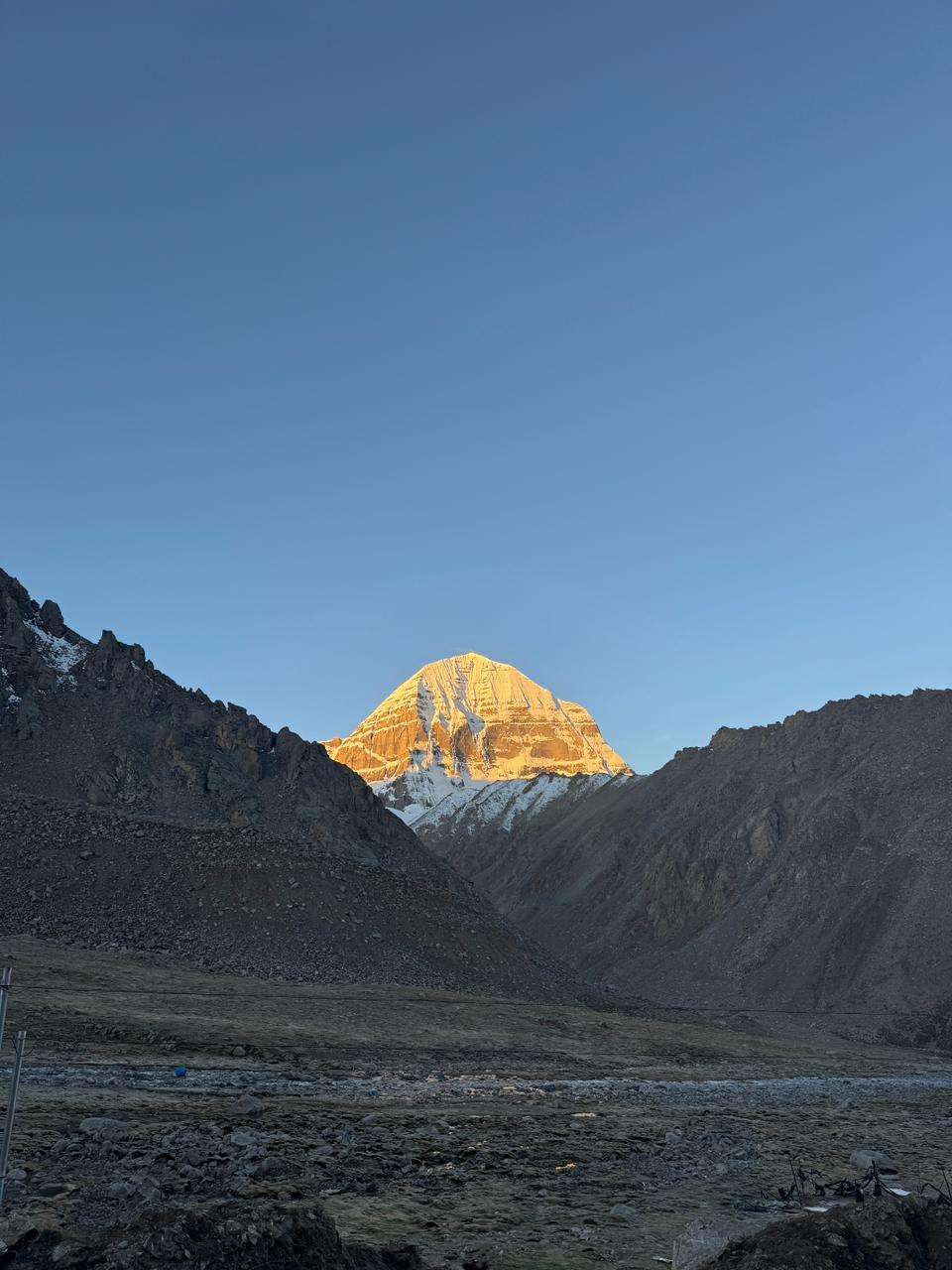
Kathmandu to Lhasa Overland via Everest Base Camp: The Ultimate Travel Guide
Introduction
The Kathmandu to Lhasa overland tour via Everest Base Camp is widely considered one of the most unforgettable travel experiences in Asia, combining dramatic scenery with deep cultural exploration. This iconic Himalayan journey takes travelers from the lively streets of Nepal’s capital to the spiritual heart of Tibet, crossing some of the world’s most breathtaking landscapes along the way. As you travel overland, you pass snow-capped Himalayan peaks, remote mountain villages, ancient monasteries, and sacred lakes that hold strong religious significance for both Buddhists and Hindus.
What makes this journey truly special is the way it blends adventure, spirituality, and natural beauty into one seamless experience. Visiting Everest Base Camp offers a rare opportunity to stand near the world’s highest mountain, while the slow ascent toward the Tibetan Plateau helps travelers acclimatize and fully absorb the changing environment. The route allows you to clearly see the transformation from Nepal’s lush green hills to Tibet’s wide, open landscapes, creating a sense of progression and discovery that flying simply cannot offer. The Kathmandu to Lhasa overland tour stands out because the journey itself becomes the destination. Every day brings new scenery, cultural encounters, and moments of reflection, making it ideal for travelers seeking meaningful experiences rather than rushed sightseeing. By the time you reach Lhasa, with its iconic Potala Palace and rich Tibetan heritage, you’ll have gained not only stunning photos but also a deeper understanding of the land, people, and traditions of the Himalayas.
Why Choose the Kathmandu to Lhasa Overland Tour via Everest Base Camp?
Choosing a Kathmandu to Lhasa overland tour via Everest Base Camp offers travelers a unique opportunity to experience the Himalayas in depth. Unlike flying directly to Lhasa, the overland route provides better altitude acclimatization, which is essential for high altitude travel in Tibet. This journey is ideal for adventure travelers, photographers, and culture lovers who want to explore both Nepal and Tibet in one seamless trip. Along the way, travelers encounter dramatic landscapes, authentic Tibetan villages, and sacred Buddhist sites, making this route one of the most popular Tibet overland tours from Kathmandu.
Overview of the Kathmandu to Lhasa Overland Route via the
Friendship Highway
The Kathmandu to Lhasa overland route, known as the Friendship Highway, offers one of the most scenic journeys across the Himalayas. Starting from Nepal’s capital, travelers follow winding mountain roads through valleys and villages toward the Nepal–Tibet border at Kerung.
Once in Tibet, the Friendship Highway conditions are generally good, with paved roads, though travelers should be prepared for occasional rough patches and high-altitude terrain. The route crosses the Tibetan Plateau, passing through Tingri, the gateway to Everest Base Camp on the Tibetan side, and historic towns like Shigatse and Gyantse. Along the way, the gradual altitude gain allows for safe acclimatization while enjoying stunning landscapes and Tibetan culture. The journey ends in Lhasa, home to the Potala Palace and Jokhang Temple, making this overland route a safe, scenic, and culturally rich way to experience the Himalayas and Tibet.
Highlights of the Kathmandu to Lhasa Overland Tour
1. Kathmandu
Kathmandu is the cultural and spiritual gateway to the Himalayas and the starting point of the Kathmandu to Tibet overland tour. The city is rich in history, with UNESCO World Heritage Sites such as Pashupatinath Temple, Boudhanath Stupa, and Swayambhunath. Travelers can explore bustling markets, sample traditional Nepali cuisine, and gain insight into Hindu and Buddhist traditions before beginning the journey toward Tibet.
2. Drive to the Kerung Border (Nepal–Tibet Border)
The drive from Kathmandu to the Kerung border is one of the most scenic sections of the journey. This route passes through lush valleys, mountains, rivers, and remote villages, offering a glimpse into rural Nepalese life. Upon crossing the Nepal-Tibet border, travellers officially enter Tibet, where the landscape undergoes a dramatic shift. The roads become wider, the sky appears deeper blue, and the vastness of the Tibetan Plateau begins to unfold.
3. Tibetan Plateau and Tingri
The Tibetan Plateau is often referred to as the “Roof of the World,” and travelling across it is a highlight of the Kathmandu to Lhasa overland adventure. Tingri is a key acclimatisation stop and offers breathtaking views of Himalayan giants, including Mount Everest on clear days. The open grasslands, grazing yaks, and colourful prayer flags create an atmosphere of peace and timelessness that defines travel in Tibet.
4. Everest Base Camp (North Face – Tibet)
Visiting Everest Base Camp via Tibet is a once-in-a-lifetime experience. The Tibetan side of Everest offers a clear and unobstructed view of the mountain’s north face, making it a favourite for photographers and mountain lovers. Unlike the Nepal side, vehicles can reach close to the base camp, allowing travellers to experience the grandeur of Mount Everest without strenuous trekking. Standing beneath the world’s highest peak is a powerful moment that defines the Everest Base Camp overland tour.
5. Shigatse: Home of Tashilhunpo Monastery
Shigatse is Tibet’s second-largest city and an essential stop on the Tibet overland tour from Kathmandu. The city is famous for the Tashilhunpo Monastery, one of the most important monasteries in Tibetan Buddhism and the traditional seat of the Panchen Lama. Exploring this monastery provides deep insight into Tibetan religious life, rituals, and centuries-old traditions.
6. Gyantse: Traditional Tibetan Town
Gyantse is one of the best-preserved traditional towns in Tibet and offers travellers a glimpse into authentic Tibetan culture. The town is home to the impressive Gyantse Kumbum Stupa and Pelkor Chode Monastery, both known for their intricate artwork and spiritual significance. Gyantse’s relaxed pace and historic charm make it a memorable highlight of the Kathmandu-to-Lhasa overland journey.
7. Lhasa: The Spiritual Heart of Tibet
Lhasa is the final destination of the journey and the spiritual centre of Tibetan Buddhism. The city is home to iconic landmarks such as the Potala Palace, Jokhang Temple, and Barkhor Street. Walking through Lhasa allows travellers to witness pilgrims performing sacred rituals and monks debating Buddhist philosophy. Reaching Lhasa after an overland journey from Kathmandu adds a deeper sense of achievement and understanding to the overall travel experience.
Weather Information: Plan Your Journey Smartly. Travelling from Kathmandu to Lhasa via Everest Base Camp exposes you to a variety of climates, making it essential to plan according to the weather. Kathmandu enjoys moderate temperatures, with spring (April–May) and autumn (September–October) being the best months for sightseeing, offering daytime highs between 15°C–25°C in spring and 12°C–22°C in autumn. As the journey progresses toward the Everest region, temperatures drop significantly, with daytime highs near Everest Base Camp ranging from 0°C–10°C and nights often falling below freezing. Snowfall is possible even in these ideal travel months. Once on the Tibetan Plateau, Lhasa experiences crisp, sunny days with temperatures between 8°C–20°C, but travelers must be prepared for strong winds and intense UV radiation. Being aware of these conditions allows adventurers to dress appropriately, avoid risky road conditions, and capture clear, breathtaking views of the Himalayas.
Visa and Permit Requirements
Travelling on a Kathmandu to Lhasa overland tour via Everest Base Camp requires several official travel documents. All foreign travellers must obtain a Chinese visa to enter China, which is usually a single-entry visa costing around USD 140–220, depending on nationality and processing fees. In addition, a Tibet Travel Permit is mandatory for entry into Tibet. This permit is issued only through licensed Tibetan travel agencies and typically costs USD 50–70 per person. Travellers must also obtain additional licenses to access restricted areas, such as Everest Base Camp, Shigatse, or border regions.
• Alien Travel Permit / Military Permit (Tibet restricted areas): USD $50–100 per person,
Depending on the route, all these permits must be arranged through a licensed tour operator, as independent travel in Tibet is not allowed. By planning and obtaining the necessary documents in advance, travellers can ensure a smooth, safe, and hassle-free journey from Kathmandu to Lhasa, enjoying the stunning Himalayan landscapes and cultural experiences without any legal issues. Travel Time from Kathmandu to Lhasa via Everest Base Camp The Kathmandu to Lhasa overland tour via Everest Base Camp is a once-in-a-lifetime Himalayan adventure, typically lasting 8 to 10 days. Covering over 1,100 km (750 miles), the route climbs high mountain passes, some above 5,000 meters (16,400 Ft), and includes an overnight near the North Face of Everest Base Camp (5,200 meters / 17,060 Ft), making proper acclimatisation essential. Travellers join a licensed tour with an experienced guide and obtain a Chinese group visa and Tibet Travel Permits, all arranged by the tour operator. The journey offers breathtaking views while passing through Tingri and Lhatse, sunrise at Everest Base Camp, historic monasteries in Shigatse and Gyantse, and finally arriving in Lhasa, where iconic landmarks like the Potala Palace, Jokhang Temple, and Sera and Drepung Monasteries reveal Tibet’s rich culture. Most travellers take 8–10 days to fully enjoy the scenery, acclimatise safely, and immerse themselves in the spiritual and natural wonders along the way, making this overland journey a truly unforgettable adventure.
Best Time to Visit Kathmandu to Lhasa Overland Tour via Everest Base Camp
The best time for the Kathmandu to Lhasa overland tour via Everest Base Camp is during the spring season (April to May) and the autumn season (September to October). These months offer the most favourable weather, comfortable temperatures, and clear mountain views, making them ideal for travellers planning a Tibet overland tour from Nepal. During spring, Kathmandu experiences pleasant daytime temperatures between 15°C and 25°C, with colourful landscapes and blooming rhododendrons enhancing the journey. As the route ascends toward Everest Base Camp, temperatures gradually drop, ranging from 5°C to 10°C during the day. In Lhasa, spring temperatures usually stay between 10°C and 20°C, creating perfect conditions for sightseeing major attractions such as the Potala Palace, Jokhang Temple, and traditional Tibetan markets. The autumn season is considered the peak travel period for the Kathmandu to Lhasa overland tour due to its stable weather and exceptional Himalayan visibility. Kathmandu temperatures range from 12°C to 22°C, while the Everest region sees cooler daytime temperatures between 0°C and 8°C. In Lhasa, Tibet, autumn temperatures remain comfortable at around 8°C to 18°C, making it an excellent time for cultural tours, photography, and monastery visits. Travelling during spring or autumn ensures safer road conditions, minimal rainfall, and breathtaking panoramic views of the Himalayas, including Mount Everest. These seasons are widely regarded as the best months for a Tibet overland tour via Everest Base Camp, offering an ideal combination of adventure, cultural discovery, and comfortable travel conditions. Altitude Sickness: How to Stay Safe and Comfortable High altitude is one of the main challenges on the Kathmandu to Lhasa overland route, especially near Everest Base Camp at over 5,200 meters (17,060 Ft). Altitude sickness can affect anyone, even experienced travellers, making proper acclimatisation essential. Spending time at intermediate stops like Tingri allows the body to adjust to thinner air and helps reduce symptoms such as headaches, dizziness, fatigue, and nausea. Severe symptoms, including shortness of breath at rest or confusion, require immediate medical attention. Preventive measures such as staying hydrated, eating light meals, and avoiding alcohol during the first days at high altitude are crucial. Some travellers may also use medication like acetazolamide under medical guidance, but the safest approach is to ascend gradually. By taking altitude sickness
Seriously, travellers can enjoy the majestic landscapes and spiritual experiences of Tibet without compromising their health.
Backpack Tips: Pack Smart for Your Overland Adventure
Packing efficiently is critical for the Kathmandu to Lhasa overland journey, as travellers encounter varying climates and terrains. Layered clothing is a must, including thermal base layers, a warm jacket, waterproof outerwear, trekking pants, gloves, hats, and scarves for higher altitudes. Essential items include sunscreen, sunglasses, a reusable water bottle, a first-aid kit, and any medication for altitude sickness. A sturdy daypack is recommended for excursions, while trekking poles and a camera will enhance comfort and capture memorable moments. For overnight stays near Everest Base Camp, travellers may need warm sleeping gear if not provided by their tour operator. Important documents, such as passports, Chinese visas, Tibet Travel Permits, and other permits, should be kept secure but accessible for frequent checks. Proper packing ensures comfort, safety, and convenience, allowing adventurers to focus on the journey’s stunning scenery and cultural encounters rather than logistical concerns.


