The Kingdom of Bhutan is a small but beautiful country in the eastern part of the Himalayas in South Asia. It is surrounded by two large countries, India to the south and China to the north. Despite its small size, the Kingdom of Bhutan is one of the most unique travel destinations in the world. The Kingdom of Bhutan is a beautiful country with a peaceful environment and a rich culture. It is also a spiritual place for many people. The Kingdom of Bhutan is also referred to as the “Land of the Thunder Dragon,” which is derived from the local name given to the country, “Druk Yul.” The Kingdom of Bhutan is a popular tourist destination for travelers worldwide due to its unique travel experience compared to many other countries in the world. Many countries focus on the development and tourism of their countries, but the Kingdom of Bhutan is focused on preserving its culture and traditions. The Kingdom of Bhutan is a country that is rich in culture and traditions.
One of the most interesting things about Bhutan is its philosophy of development, which is called "Gross National Happiness." This philosophy is unique in that the success of the country is measured not in terms of economic growth but in the happiness and satisfaction of its people. This philosophy affects many aspects of life in Bhutan. Another interesting aspect of Bhutan is its spirituality. Buddhism is an important part of the daily life of the people in Bhutan. Many monasteries, temples, and prayer flags are seen in the mountains and valleys. The philosophy and teachings of Guru Padmasambhava, who introduced Buddhism in the country in the 8th century, are still important in the country today. When traveling through Bhutan, visitors can see monks praying in monasteries, festivals being celebrated, and people wearing traditional clothes.
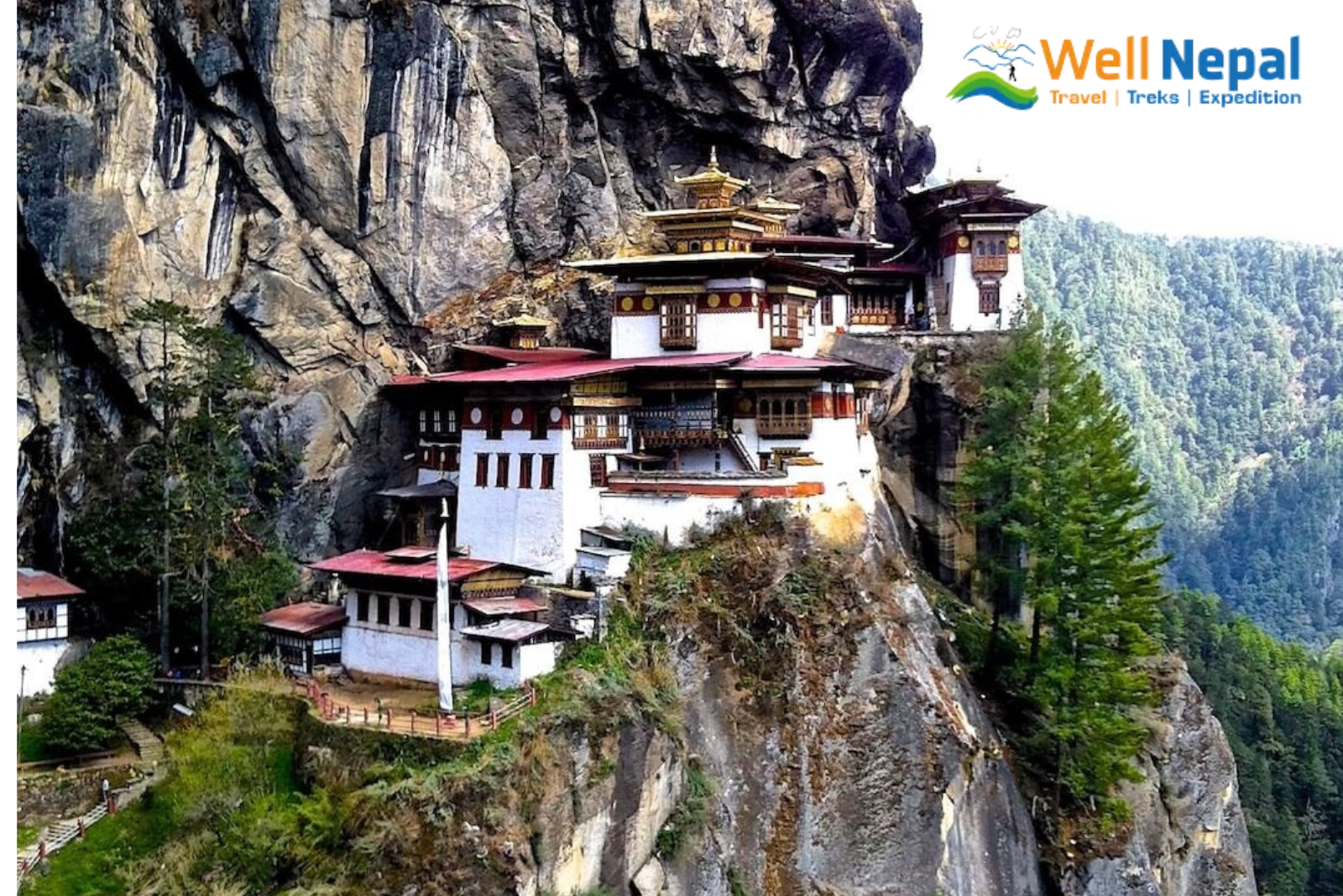
Nature is another important aspect that attracts tourists to Bhutan. Bhutan has high mountain ranges, deep valleys, clear rivers, and lush forest cover. More than half of Bhutan is covered by forest, and it is therefore one of the few carbon-negative nations in the world. Bhutan is a wonderful place for tourists to explore and experience various exciting things. Bhutan is home to some of the ancient monasteries built on mountain cliffs. Tourists can explore various mountain trails and experience the beauty of Bhutan’s culture and traditions. One of the most visited places in Bhutan is the magnificent Paro Taktsang, also called the Tiger’s Nest Monastery, which is built on a cliff in the valley. A tour to Bhutan is not just about visiting and exploring various places and monuments; it is also about learning a new culture and enjoying the beauty of nature. Bhutan provides a wonderful platform for tourists to relax and get closer to nature and culture in a serene and peaceful environment. Bhutan is therefore considered one of the most unique travel destinations in the world due to its unique qualities and characteristics.
Location and Geography regions on the Bhutan tour
The Kingdom of Bhutan is situated in the eastern part of the Himalaya Mountains in the Asian continent. Bhutan is a landlocked country; therefore, it does not have an outlet to the sea. Bhutan is surrounded by India on the south, east, and west sides. China lies to the north of Bhutan. Bhutan is a mountainous country with diverse geographical features. The northern part of Bhutan has the highest Himalayan Mountains, with snowfall. The height of some of the mountains exceeds 7,000 meters. These mountains are a barrier for Bhutan and the land of Tibet. Due to the high elevation of the mountains, the climate is cold. This area is not inhabited. The central part of Bhutan comprises valleys and hills. There are several valleys in this part of Bhutan. Many towns and villages are located in the valleys. There are rivers flowing through the valleys. The rivers provide water for the inhabitants. The capital city of Bhutan is located in one of the beautiful valleys. Many important monasteries and historical sites are located in this part of Bhutan.
The southern part of Bhutan has lower hills and subtropical forests. This part has a relatively more favorable climate and is more appropriate for agriculture. Various crops are cultivated here. One of the unique geographical characteristics of Bhutan is the presence of biodiversity. Bhutan has a variety of plants and animal species. There are also rare species of wildlife. Large areas of Bhutan are reserved as national parks. Due to the presence of effective environmental policies, Bhutan has been able to preserve its forests and wildlife. Another geographical feature of Bhutan is the presence of rivers. There are a number of rivers flowing out of the Himalayan glaciers and passing through the valleys. These rivers ultimately connect with the rivers of India. These rivers are also used for the production of electricity, as this is one of the major sources of income for Bhutan. Bhutan’s geography has made this country extremely beautiful and unique. The combination of mountains, green valleys, forests, and rivers has made this country extremely beautiful.
Why Visit Bhutan Tour?
Bhutan is not just another travel destination; Bhutan is a travel destination that promises a very meaningful and unique experience for all travelers. Hidden in the Eastern Himalayas, Bhutan has managed to preserve its culture, nature, and spiritual life in a manner that few countries have achieved. Traveling in Bhutan is not just another vacation; it is more like a journey into a peaceful world. One of the main reasons people travel to Bhutan is the strong cultural identity that the country boasts. Unlike many countries, Bhutan is proud of its heritage, and unlike in other countries, the people of Bhutan still wear their traditional clothing in their day-to-day lives, with men wearing the Gho and women wearing the Kira. Ancient monasteries, prayer flags, and traditional architecture are common sights in Bhutan, giving travelers the opportunity to experience the rich culture of Bhutan, which has remained largely unchanged for centuries.
Another thing Bhutan is known for is its spirituality. The Buddhist religion is part of almost everything in Bhutan. From the architecture and art to the way people go about their day-to-day lives and the way they celebrate their festivals, Buddhism is evident. One may feel a sense of calm and tranquility as they visit monasteries and listen to the monks chant their prayers or as they trek through the mountains and see the prayer flags waving in the wind. Another thing that sets Bhutan apart is its conservation of the environment. Bhutan is a land of forests, rivers, and mountains. In fact, Bhutan is one of the rare countries in the world that is considered carbon negative. This means that Bhutan takes in more carbon than it emits. This is why Bhutan is considered a paradise for all the nature lovers and photography enthusiasts out there.
The country is also known for its unique philosophy of Gross National Happiness. Rather than measuring the success of a nation by the growth of its economy, Bhutan measures the happiness of its people. This unique way of life has an impact on the government and the people as well. Another factor that attracts tourists to Bhutan is the hospitality of the people. The people of Bhutan are extremely friendly and welcoming. Their hospitality is genuine and sincere. Travelers feel as if they are special guests in the country. Whether it is sitting and talking with the people in a village or joining in the celebration of a colorful festival, the people of Bhutan make the tourist feel special. Visiting Bhutan is not just a visit; it is an opportunity to experience the unique culture of the people. It is an opportunity to visit a land that is full of peace and spirituality and surrounded by the beauty of the Himalayan Mountains. For those who are seeking a unique and special place to visit, Bhutan is a remarkable land.
History and Culture of Bhutan Tour
The history of the Kingdom of Bhutan is closely associated with religion, culture, and tradition. Bhutan has managed to preserve its culture for centuries, despite the dynamic changes taking place around the world. Buddhism has played a significant role in the history and lives of the Bhutanese people. Buddhism was first introduced in Bhutan in the 8th century by the great Buddhist master Guru Padmasambhava, also known as Guru Rinpoche. It is believed that Guru Rinpoche traveled extensively throughout the Himalayan Mountains and helped spread the Buddhist way of life in Bhutan. Many monasteries and temples were built in Bhutan in honor of Guru Rinpoche. Today, the Bhutanese people also consider him one of the greatest Buddhist masters. In the 17th century, the Kingdom of Bhutan was unified by a Buddhist leader named Zhabdrung Ngawang Namgyal. He was a Buddhist leader from Tibet. Many fortresses were built by him in Bhutan, known as dzongs. Today, dzongs are an important part of Bhutanese architecture.
Bhutan was turned into a monarchical government in the year 1907 when Ugyen Wangchuck was crowned as the first king of Bhutan. Until today, the country has been ruled by the Wangchuck dynasty. The current king of Bhutan is King Jigme Khesar Namgyel Wangchuck, and the people of Bhutan respect him a great deal. The culture of Bhutan is largely influenced by Buddhist values of compassion, respect, and harmony with nature. The influence of religion can be seen in the day-to-day activities of the people of Bhutan, as seen in the prayer flags, temples, and monks performing religious ceremonies. The traditional clothing of Bhutan is an important aspect of Bhutanese culture. The traditional clothing of Bhutan includes a robe for men known as a Gho, while women wear a traditional long dress known as a Kira. The other important aspect of Bhutanese culture is the celebration of religious festivals known as Tshechu. During the celebration of Tshechu, monks perform traditional mask dances and religious performances that depict Buddhist stories. Bhutanese culture is rich, unique, and connected with spirituality.
Best Time to Visit Bhutan Tour
The Kingdom of Bhutan can be visited at any time of the year, but certain times are more appropriate than others to visit this beautiful kingdom. Generally, the best time to visit Bhutan depends on weather conditions as well as personal preferences.
- The spring season, which includes March, April, and May, is considered to be a very good time to visit Bhutan. During this time, the weather remains moderate, making it comfortable to visit this beautiful kingdom. A wide variety of flowers bloom during this time, including rhododendron flowers, which make the landscape look beautiful. This is also a good time to enjoy hiking and trekking activities.
- Autumn, from September to November, is another great season for visiting Bhutan. During this season, the skies are clear, allowing visitors to enjoy the breathtaking views of the Himalayan mountain range. The climate is cool, creating perfect conditions for visiting monasteries, valleys, and villages in Bhutan. It is during autumn that important festivals are held in Bhutan, allowing visitors to witness the Bhutanese festivals.
- Winter, from December to February, is the cold season in Bhutan, especially in the northern mountainous regions of the country. However, winter could be a great time for visiting Bhutan, especially for those who want to avoid the crowds and enjoy the serene atmosphere of the country. Some regions in Bhutan are sunny during the winter.
- Summer, from June to August, is the monsoon season in Bhutan, during which the country receives heavy rainfall, especially in the southern regions of the country. The rainfall during the monsoon season sometimes makes travel in Bhutan difficult, especially on roads that become slippery during the rainy season. However, the country looks green during the monsoon season.
For most tourists, spring and autumn are considered the best times to visit Bhutan because of the pleasant weather and clear mountain views.
Major Tourist Attractions on the Bhutan tour
It is not just a place you visit but a place you feel. It is a country that is home to peaceful valleys, ancient monasteries, colorful prayer flags, and friendly people who greet visitors with warm and genuine smiles. Traveling through Bhutan is like entering another world where nature, spirituality, and culture have blended in harmony. Each valley and town in Bhutan has its own story to share, and every place is unique for travelers who wish to explore the beauty and soul of the Himalayas.
Paro Valley
For most travelers, the adventure to Bhutan starts in the beautiful Paro Valley, where the country’s only international airport is located. Surrounded by green mountains and traditional Bhutanese homes, Paro is the perfect place for travelers to become accustomed to the peaceful and spiritual environment that is unique to Bhutan. One of the most unforgettable experiences for travelers in this beautiful valley is the visit to the world-famous Tiger’s Nest Monastery (Taktsang Monastery). This world-famous monastery is built dramatically on the side of a mountain and seems impossible to climb. Yet thousands of travelers and pilgrims climb this mountain every year to visit this sacred place. The trail through the beautiful pine forests, adorned with prayer flags, is itself an unforgettable experience as travelers enjoy the stunning views of the valley below. When travelers finally reach the monastery, the peaceful environment is an unforgettable experience. Another beautiful sight in this beautiful valley is the majestic Rinpung Dzong, a beautiful fortress located on the top of the Paro River.
Thimphu
Thimphu is the capital city of Bhutan and is a place where tradition and modernity go hand in hand. This city is unique in the sense that it does not have any traffic lights in the entire city. Moreover, the architecture in this city is traditional in nature. One of the most important landmarks in this city is the Buddha Dordenma Statue. This is a massive golden Buddha statue that is placed serenely on a hill in the city. When you stand in front of this massive statue, you feel a sense of calmness and peace while enjoying the beautiful view of the city. Another important landmark in this city is the Tashichho Dzong. This is an important landmark in this city as it is the administrative center of the Bhutanese Government and the central monastic body. When you visit this place in the evenings and witness the lighting reflecting in the water, you will realize how magical this place is. One can also visit the weekend market in this city, where you can buy fresh fruits and vegetables as well as local delicacies. This is a great place to mingle with the locals.
Punakha Valley
Punakha Valley is said to be one of the most beautiful valleys in the country of Bhutan. The valley is famous for its fertile farming lands, calm rivers, and peaceful villages surrounded by mountains. In the heart of the Punakha Valley is the majestic Punakha Dzong, one of the most beautiful fortresses in the Himalayas. The dzong is situated at the confluence of the two rivers and looks like a floating palace. The dzong has played an important role in the country’s history and is still used today for important religious ceremonies and festivals. The trip to Punakha is an experience in itself. Along the way, one will encounter the famous Dochula Pass, where 108 white chortens quietly stand against the majestic Himalayas. On a clear day, one will witness the most breathtaking views of snow-capped mountains stretching as far as the eye can see. Crossing the Punakha Suspension Bridge is another thrilling experience. The bridge sways gently above the river while the colorful prayer flags flutter in the wind. The experience is thrilling and peaceful at the same time.
Bumthang Valley
The place is referred to as the spiritual heartland of Bhutan. This area is home to a number of ancient temples and monasteries that have a significant place in the religious lives of Bhutanese people. Jambay Lhakhang is one of the most ancient temples in Bhutan and is believed to have been constructed in the 7th century. It is a significant place for pilgrims and has many vibrant religious celebrations throughout the year. Another important place in this valley is Kurjey Lhakhang, which is believed to be a place where Guru Rinpoche is said to have meditated. It is said that the imprint of his body is still present in a rock in this temple, and hence, it is a significant place for Buddhist followers. Apart from temples and monasteries, this valley also presents a number of picturesque rural views and apple orchards.
Phobjikha Valley
Phobjikha Valley is one of the most serene and picturesque places in Bhutan. This wide glacial valley is known for its wide open spaces and serene atmosphere. During winter, the valley is home to the rare black-necked cranes, which migrate from the Tibetan Plateau. The arrival of the cranes is a celebration for the people of Bhutan as well as bird enthusiasts. Overlooking the Phobjikha Valley is the stunning monastic complex of Gangtey. This is a sacred place with a breathtaking view of the landscape. Hiking through the valley is a great way to experience the raw nature of Bhutan.
Haa Valley
Haa Valley is one of the least explored areas in Bhutan, and this makes it the perfect destination for travelers who wish to explore a new and different Bhutan. The trip to the Haa Valley goes through the Chele La Pass, the highest motorable road in Bhutan. The area is adorned with colorful flags and provides a breathtaking view of the Himalayan mountain range. In the valley, travelers will be able to explore the villages and interact with the friendly people. They will also be able to visit the sacred temples, including the Lhakhang Karpo (White Temple). The area is a peaceful haven and a treasure waiting to be discovered.
Bhutan Visa Process, Permit, and Processing Time
Traveling to Bhutan is slightly different compared to other countries because the government regulates tourism in the country with the aim of conserving its unique culture and traditions. Bhutan has a unique tourism policy referred to as “High Value Low Impact Tourism,” which aims at attracting responsible tourists while conserving the heritage and beauty of the Himalayas. Due to this unique tourism policy, the government does not allow the majority of international visitors to acquire a visa independently by contacting the Bhutanese embassy or the government’s official website, as they do for other countries. Instead, the government requires all international visitors to acquire a visa through an accredited Bhutanese tour operator or an internationally accredited tourism partner of the Bhutan tourism authorities. This has helped the government regulate tourism in the country while ensuring that the tourism sector offers the best services for the benefit of the visitors. With the help of an accredited tourism agency, the visitor is provided with the best services for acquiring the visa and exploring the beautiful and unique tourist attractions in Bhutan.
Bhutan Visa Process
The visa application for Bhutan is not a complicated process. However, it is required to be completed before the trip. The first requirement for the Bhutan visa application is to book a trip with a Bhutan tourism company. After the confirmation of the trip package and the dates of the trip, the Bhutan visa application process will start. For the Bhutan visa application, the scanned copy of the passport needs to be sent. The passport must be valid for at least six months from the date of the trip. Apart from the passport copy, the personal information of the traveler, such as the traveler's full name of the person, the person’s nationality, the person’s date of birth, and the traveler’s occupation, may also be required. After obtaining the required documents, the tour operator then proceeds to submit the visa application through the Bhutan Immigration System under the Tourism Council of Bhutan (TCB) and the Department of Immigration. Once this visa application has been processed, a visa clearance letter is sent to the traveler’s email account. This visa clearance letter is a very important document as it allows travelers to board their flights to Bhutan. Travelers must carry a printed copy of this visa clearance letter upon arrival in Bhutan. Once a traveler arrives in Bhutan, their visa is then stamped onto their passport at Paro International Airport, which is the main international airport in Bhutan, or at other land border points such as Phuentsholing.
Entry Permits for Bhutan
Apart from the tourist visa, the visitors are also required to have entry permits or route permits in order to travel to certain areas in Bhutan. When the tourists enter the country, the standard permit allows them to travel to the main western tourist destinations like Paro and Thimphu. However, there are many beautiful destinations in Bhutan, and tourists are eager to visit these areas as well. In order to travel in these areas, the visitors are required to have route permits. The permits are required in order to travel in certain areas like Punakha, Wangdue Phodrang, Phobjikha Valley, Bumthang, Trongsa, Haa Valley, etc. In order to obtain these permits, the visitors need not take the burden of getting the permits, as the tour guide helps the visitors in getting the permits from the concerned authorities, like the immigration office in Thimphu or Paro, which issues the permits quickly. This helps the government keep track of the visitors while they travel in the country, thus maintaining the security and environmental conditions in the remote areas of the country.
Visa Processing Time
The approval of a visa for Bhutan is quite quick, and one can obtain their visa within a matter of 3 to 7 working days. However, during peak travel seasons or special festivals, there is a possibility that obtaining a visa might take a bit longer, considering that there would be many applications during such periods. Therefore, it is highly recommended that travelers apply for their Bhutanese visas at least two to three weeks before their intended date of travel. This would ensure that all procedures are completed well in time, thus avoiding any last-minute delays.
Sustainable Development Fee (SDF)
One of the important components of Bhutan’s tourism policy is the Sustainable Development Fee (SDF), which has to be paid by international tourists visiting Bhutan. This Sustainable Development Fee is an important component of Bhutan’s tourism policy as it contributes to various development programs in the country, such as environmental conservation, cultural heritage, education, health, etc. By levying this Sustainable Development Fee, Bhutan is able to make sure that tourism has a positive impact on the country, which helps maintain the beauty of nature and a traditional way of life. This process also aligns with Bhutan’s policy of maintaining a balance between tourism development and environmental protection and cultural preservation. Thus, it may be said that when tourists visit Bhutan, they are not just enjoying a unique and wonderful tourist destination; they are also contributing to the development and well-being of Bhutan in a positive way. It may be said that although the visa and permit process in Bhutan may be a little different from other tourist destinations in the world, it is a process that is designed to provide a well-organized and meaningful tour experience with the help and support of a licensed tour agency and a tour guide.
Why choose us for your Bhutan tour
Traveling to Bhutan is not like traveling to any other country in the world. Situated in the eastern Himalayas, this beautiful country boasts breathtaking valleys, sacred monasteries, colorful festivals, and friendly people. The country follows a “High Value, Low Impact Tourism” policy. This means that travelers need to acquire visas and permits through a licensed Bhutanese travel agency or tour operator. At Well Nepal Travel and Treks, we have been offering our clients unforgettable tours to Bhutan since 2012. We have been in this business for over a decade and have successfully satisfied thousands of our clients with our efficient services in acquiring visas and permits for our clients to enjoy their trip to this beautiful country.
The Bhutan visa process is simple when booked with us. Once your tour is confirmed and a copy of your passport is provided, we will process your visa application with the Tourism Council of Bhutan and the Department of Immigration. Upon approval, you will be issued a visa clearance letter, and your visa will be stamped upon arrival at Paro International Airport or designated land borders such as Phuentsholing. We will also arrange route permits to destinations such as Punakha, Phobjikha Valley, Bumthang, and Haa Valley for your hassle-free trip to Bhutan. It takes 3 to 7 working days to process your Bhutan visa. However, it is recommended that you apply at least two weeks in advance. Bhutan also requires a Sustainable Development Fee (SDF) for your trip to Bhutan.
The country also attracts tourists for its cultural and spiritual experiences. You can go for a trek to the famous Tiger’s Nest Monastery, monasteries in Thimphu, or the colorful Tsechu festivals. Bhutan is a country that focuses on the concept of Gross National Happiness, providing a serene and hospitable atmosphere for tourists of all kinds. Well, Nepal Travel and Treks promises a secure, well-organized, and enjoyable trip to Bhutan. Our itineraries are tailor-made according to your needs, whether it is a spiritual trip, trekking, sightseeing, or a leisure trip. Our local guides will provide you with valuable knowledge about Bhutanese culture, lifestyle, and traditions, while we will take care of everything to make your trip hassle-free. Well, Nepal Travel and Treks promises an authentic, enriching, and unforgettable Bhutan trip for you, which will remain with you for a lifetime.


