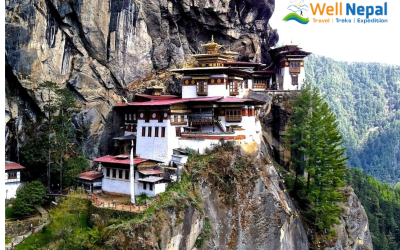
A trip to Bhutan is an experience of a lifetime, as it takes one right into the heart of the Himalayas, where the traditions of old, the beauty of nature, and the spiritual values of life blend in perfect harmony. This peaceful land, known as the Kingdom of Bhutan, is situated between India and China and is famous all over the world for its special philosophy of Gross National Happiness. Unlike other lands that measure success in terms of economic growth alone, Bhutan measures the success of its people in terms of their happiness. Visiting Bhutan is not just about exploring new places; it is an experience of a lifetime, as it offers one the chance to immerse oneself in the culture and spiritual values of the people and experience the warmth of Himalayan hospitality. For those looking for a destination that offers natural beauty, cultural diversity, adventure, and the tranquility of the mountains, Bhutan is the answer. Most trips start in Paro, which is the only international airport in Bhutan and has one of the most beautiful airport approaches in the world. Paro Valley, with its hills covered in forests, snow-capped mountains, and Bhutanese houses, is an example of the preserved architectural heritage of Bhutan. The gem of Bhutan is, of course, Tiger’s Nest Monastery, also known as Paro Taktsang. Situated dramatically on a cliff 3,120 meters above sea level, this holy monastery marks the meditation cave of Guru Rinpoche, who brought Buddhism to Bhutan in the 8th century. The trek to Tiger’s Nest Monastery is both arduous and exhilarating, with breathtaking views of the valley, peaceful forest trails, and an unmistakable spiritual vibe. Paro also has Rinpung Dzong, a breathtaking fortress-monastery that is an example of traditional Bhutanese architecture, and the National Museum of Bhutan, where one can delve into the ancient relics, thangka paintings, traditional dresses, and artifacts that tell the story of Bhutan’s glorious past.
Leaving Paro, visitors usually move on to Thimphu, the capital of the country, where modernization harmoniously merges with ageless tradition. Thimphu is unique in that it is one of the world’s few capitals that do not have traffic lights, making it a peaceful and organized place. Among the attractions in Thimphu are the Buddha Dordenma, a giant golden statue of the Buddha that looks over the valley, representing peace and prosperity, and the Tashichho Dzong, the ancient fortress that houses the government and monastic body of Bhutan. Another attraction in Thimphu is the National Memorial Chorten, a place where people congregate every day to pray and meditate. Punakha, a former capital and one of the most beautiful valleys in Bhutan, is another attraction during a Bhutan tour. Punakha is known for its warm climate and agricultural land. It is also home to the stunning Punakha Dzong, which is considered the most beautiful dzong in the country. Located at the junction of the Pho Chhu and Mo Chhu rivers, this masterpiece of architecture is of great importance in Bhutanese history and religious rituals. En route, one passes through Dochula Pass, a high mountain pass with 108 memorial chortens and spectacular views of the eastern Himalayan ranges on a clear day. The drive to Punakha is a treat to the eyes, with pine forests, misty hills, and snow-capped mountains in the distance.
Nature enthusiasts and bird watchers will appreciate the tranquil surroundings of the Phobjikha Valley. This glacial valley is known for its black-necked cranes, which are endangered species that migrate to this valley during the winter season. Nature lovers can take short treks, village walks, and experience the lifestyle of rural Bhutan. The purity of nature and the traditional farmhouses in the valley demonstrate Bhutan’s commitment to preserving the environment. The Bhutanese culture is inextricably linked with Vajrayana Buddhism. Every year, the Tshechu festivals are held in the monasteries and dzongs, where mask dances are performed to illustrate the Buddhist teachings. The traditional dress of the Bhutanese people, the Gho for men and the Kira for women, is worn in government offices and on special occasions to maintain the national identity. The cuisine of Bhutan is also very appealing, with ema datshi (chili and cheese curry), red rice, and butter tea being some of the dishes that a traveler gets to sample. The optimal seasons to visit the country are during spring (March to May) and autumn (September to November), when the weather is clear and the mountains offer breathtaking scenery. Spring is the time when rhododendrons are in bloom, while autumn is the best season to see the mountains and enjoy the festivals of Bhutan, which are full of colors. Bhutan’s tourism policy ensures that all tourists travel with a licensed tour operator, which guarantees that everything is well organized.